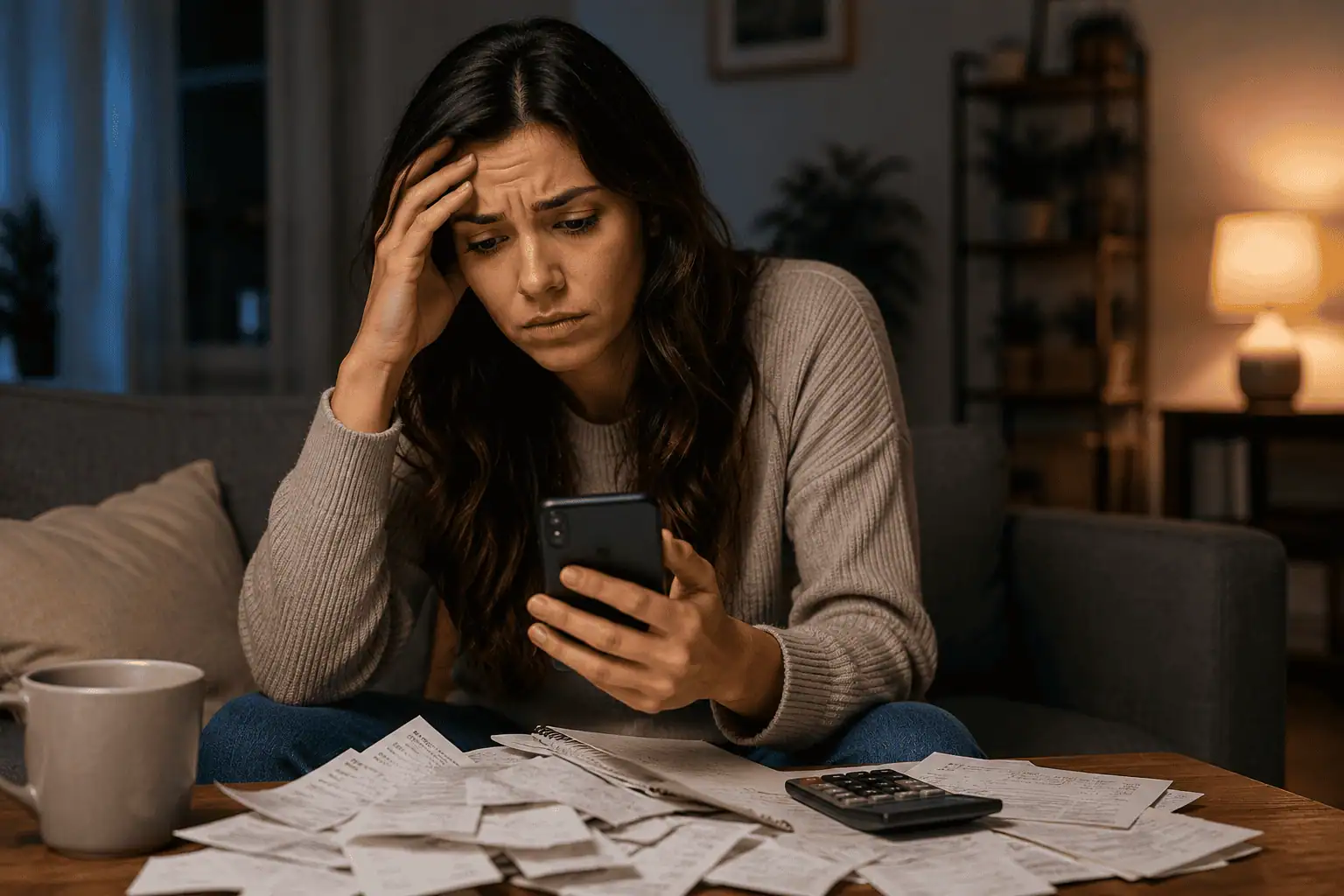
Dating Is Too Expensive Now
Dating has always cost money.
But somewhere along the way, grabbing dinner with someone you met on a dating app turned into dinner, drinks, an Uber, parking, a new outfit, pre-date grooming and maybe another round because nobody wants to be the person checking their bank account halfway through a first date.
Now a growing number of single Americans are asking a pretty reasonable question:
Has dating simply become too expensive?
For many people, yes. In 2026, the average “all-in” cost of a date in the United States reached $189, according to BMO’s Real Financial Progress Index, and that total includes expenses people don’t always count at first, such as transportation and pre-date grooming. That’s up 12.5% from $168 just one year earlier.
And younger generations are spending even more.
Millennials report spending an average of $252 per outing, while Gen Z spends about $205 per date. Half of Gen Z respondents said dating costs are getting in the way of their financial goals.
At a time when people are already thinking about rent, groceries, bills, debt and how much money is left before the next paycheck, finding love is starting to feel like another line item in the monthly budget. For single Americans, especially Millennials and Gen Z, that pressure is changing how often people go out, what they expect a date to cost and whether dating still feels financially worth it. This is where “date-flation,” shifting generational expectations, social pressure around who pays and lower-cost “affordating” ideas all come into focus.
Dating Is Too Expensive Now—and People Are Dating Less
The financial pressure isn’t just making people complain about prices. It’s changing how often they date.
BMO found that half of Americans who dated during the past year either went on fewer dates or switched to less expensive activities because of rising costs. The average number of dates fell from roughly 14 in 2025 to about 12 in 2026.
Among singles, the feeling is even stronger.
Nearly half—47%—said dating simply isn’t financially worth it.
That’s a brutal statistic when you think about what modern dating actually asks people to do.
You can spend $100 or $200 on a person you’ve exchanged messages with for three days only to discover 20 minutes into dinner that there is absolutely no chemistry. Do that several times in one month and suddenly your attempt to find love is competing with your grocery budget. So people are adapting.
A coffee date doesn’t seem cheap anymore. It seems sensible. A walk through a park doesn’t mean someone isn’t interested. And a home-cooked meal can feel more thoughtful than another overpriced restaurant reservation.
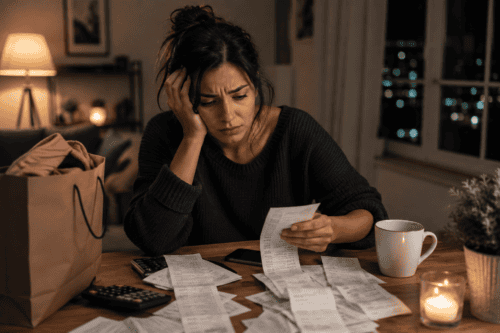
The $189 First Date Isn’t Just Dinner
When people hear that the average date costs nearly $200, the immediate reaction is usually something along the lines of: Where the hell are these people eating?
But the number isn’t just the restaurant bill. The modern dating economy has expanded far beyond dinner and drinks. There can be gas, rideshares, parking, tickets, drinks before dinner, drinks after dinner, clothing and grooming costs before either person has even left the house.
Then there is online dating itself. Dating apps may be free to download, but modern dating apps commonly operate using a freemium model. Basic access may cost nothing, while subscriptions and paid features promise greater visibility, more matches or additional ways to connect. None of those expenses individually has to destroy someone’s finances. Together, however, they create a commercial infrastructure around dating that can make meeting somebody surprisingly expensive.
And the cost of the actual night out isn’t exactly moving in the other direction. As of June 2026, U.S. restaurant and other food-away-from-home prices were another 3.4% higher than they had been a year earlier. Full-service restaurant meals were up 3.7%. Meanwhile, housing, food and other household costs still consume a huge share of most people’s income. The result is that dating increasingly feels like discretionary spending in a world where people have less discretionary money.
Gen Z Is Rethinking What a “Good Date” Looks Like in Online Dating
Nobody appears to be questioning the traditional dating script more than Gen Z. That’s partly because younger adults are often dealing with the worst combination possible: lower incomes, high housing costs and the expectation that dating should still involve impressive experiences. Social media hasn’t exactly helped, especially for gen zers. Scroll through dating content and romance can look like rooftop restaurants, concert tickets, weekend trips, expensive cocktails and carefully staged experiences, while social media also amplifies expectations around appearance.
It can create the sense that a successful date needs to be an event. But real life isn’t Instagram. A 26-year-old dater recently profiled by The Wall Street Journal described switching from New York restaurants and $20 cocktails to inexpensive dates such as picnics in the park as he tried to save money while helping with household expenses. The paper described the broader trend simply: Gen Z is looking for a cheap date.
And maybe that’s healthier than it sounds. A first date is basically an introduction. You’re trying to figure out whether this person is funny, interesting, attractive, horrible, boring, secretly married or someone you’d actually like to hear from again. Do you really need a $250 production to find that out?
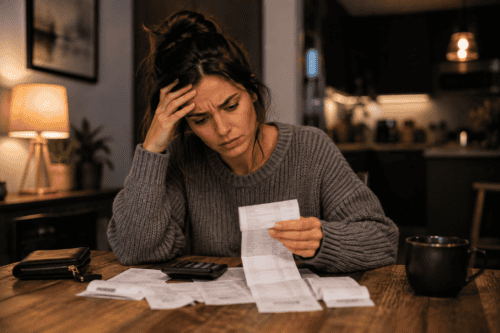
Dating Has Started to Feel Like a Status Competition
Money creates another problem in early dating: expectations. Who Pays—and What Does It Say? People aren’t simply deciding what they personally can afford. They’re also trying to determine what the other person expects.
Is a coffee date thoughtful or lazy? Should one person pay? Should the bill be split? Does choosing somewhere inexpensive make you look financially responsible—or just broke? Who pays becomes especially complicated when you’re dealing with cultural expectations that haven’t necessarily changed as quickly as people’s finances have.
BMO found a fascinating split: 71% of men said they expected to pay for everything during dates early in a relationship, while 52% of women said they expected the bill to be split. In other words, even the people going on the date may be walking into it with completely different assumptions. That pressure can turn dating into a strange form of financial performance. Nobody wants to appear cheap. People want to impress someone they’re attracted to. And that can lead to spending money they wouldn’t normally spend simply because they don’t want finances to hurt their chances of finding a partner.
In one survey, 82% of respondents incurred debt due to dating expenses, which shows how this kind of consumer strategy can create real damage. But the irony is that financial responsibility itself is attractive. Being honestly clear about money early on often signals that responsibility better than trying to perform it. In the same BMO survey, 94% of Americans identified a sense of financial responsibility as an attractive quality in a potential partner.
Apparently we want somebody responsible with money. We just might expect them to demonstrate it after dessert.
Enter “Affordating”
Naturally, modern dating now has a word for cutting back. Affordating. Instead of abandoning dating completely, people are looking for inexpensive ways to spend quality time together.
Think:
- Coffee instead of dinner
- A walk somewhere interesting
- A picnic
- Free community events
- Cooking a meal together
- A movie at home
- Visiting a museum on a free-admission day
- Exploring a neighborhood or part of your city you’ve never seen
- Drinks at home instead of $18 cocktails
BMO describes what it calls a “K-shaped dating economy.” Some people are cutting dating costs dramatically, while others continue spending hundreds of dollars on elaborate outings despite rising prices. Fourteen percent now say their typical date costs them nothing, while another 14% say a date typically costs $300 or more.
Those are two very different versions of romance.
But spending less doesn’t necessarily mean getting less.
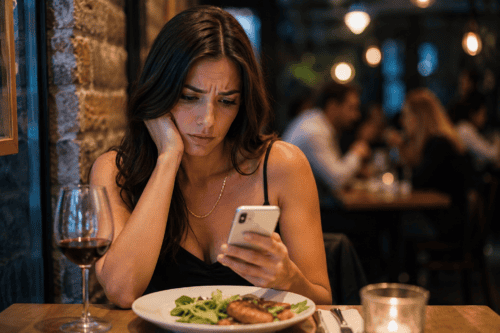
Cheap Dates Might Actually Be Better Dates to Save Money
There is an argument that less expensive dates can actually make early dating easier. A huge dinner creates pressure. Now you’re sitting across from someone for two hours whether the conversation is great or absolutely horrible. A coffee date has an escape hatch. If there’s no chemistry, you finish the coffee and go home. If you’re having fun, coffee can turn into a walk, another drink or dinner. The date expands because you want it to—not because a first date in NYC averages $157 before drinks, plus the tip, and you’ve already committed an entire evening to a stranger.
There is also something revealing about removing money from the equation. Can this person have fun without an expensive activity doing the work for them? Are you able to sit together and actually talk? Do you laugh? What about cooking? Could you wander around somewhere for an hour without needing constant entertainment?
Those things probably tell you more about whether a relationship could work than whether somebody can make a reservation at the hottest restaurant in town.
The Cost of Dating Isn’t the Cost of Being Together
This distinction matters.
Dating has become expensive. Spending time with somebody doesn’t have to be.
Those aren’t the same thing.
The commercial version of dating tells us romance requires restaurants, drinks, movies, events, gifts and experiences.
Actual intimacy doesn’t.
Some of the best moments in a relationship happen when absolutely nothing impressive is going on.
Making dinner. Lying around talking. Watching something stupid together. Taking a drive. Walking the dog. Having sex. Laughing in bed afterward. None of those require a reservation. And once people stop treating every romantic interaction like an audition, dating can become a lot less expensive—and probably a lot more honest.
Your Bank Account Shouldn’t Determine Whether You Find Love
There’s nothing wrong with an incredible dinner.
There’s nothing wrong with dressing up, ordering cocktails and spending $300 on someone because you genuinely want to.
The problem comes when people feel like that’s what dating has to be.
When nearly half of single Americans are questioning whether dating is financially worth it, something has clearly changed.
The solution probably isn’t to stop dating.
It may be to stop confusing spending with effort.
A $7 coffee and a 20$ dildo with somebody who’s genuinely interested in you can be a better date than a $200 dinner with somebody staring at their phone.
A home-cooked meal can be more romantic than the hottest restaurant in the city.
And quality time doesn’t get better simply because somebody paid more for it.
At Jack & Jill Adult, we believe intimacy is about connection, curiosity and enjoying each other—not how much money you spent getting there.
Maybe the most useful dating trend of 2026 isn’t another app, another rule or another ridiculous piece of terminology.
Maybe it’s remembering that finding someone you actually like was never supposed to require financing.

I am a creative digital marketer and brand strategist with nearly two decades of hands-on experience helping businesses grow online. Based in Sugarloaf, California, I have worked across everything from rebranding retail stores to boosting e-commerce performance with smart SEO and a strong visual identity. My background is grounded in design, photography, and content marketing to build brands that actually connect with people. I am all about practical strategies, clean design, and ensuring the message matches the mission, on screen and in print.