What Is Bimbofication?
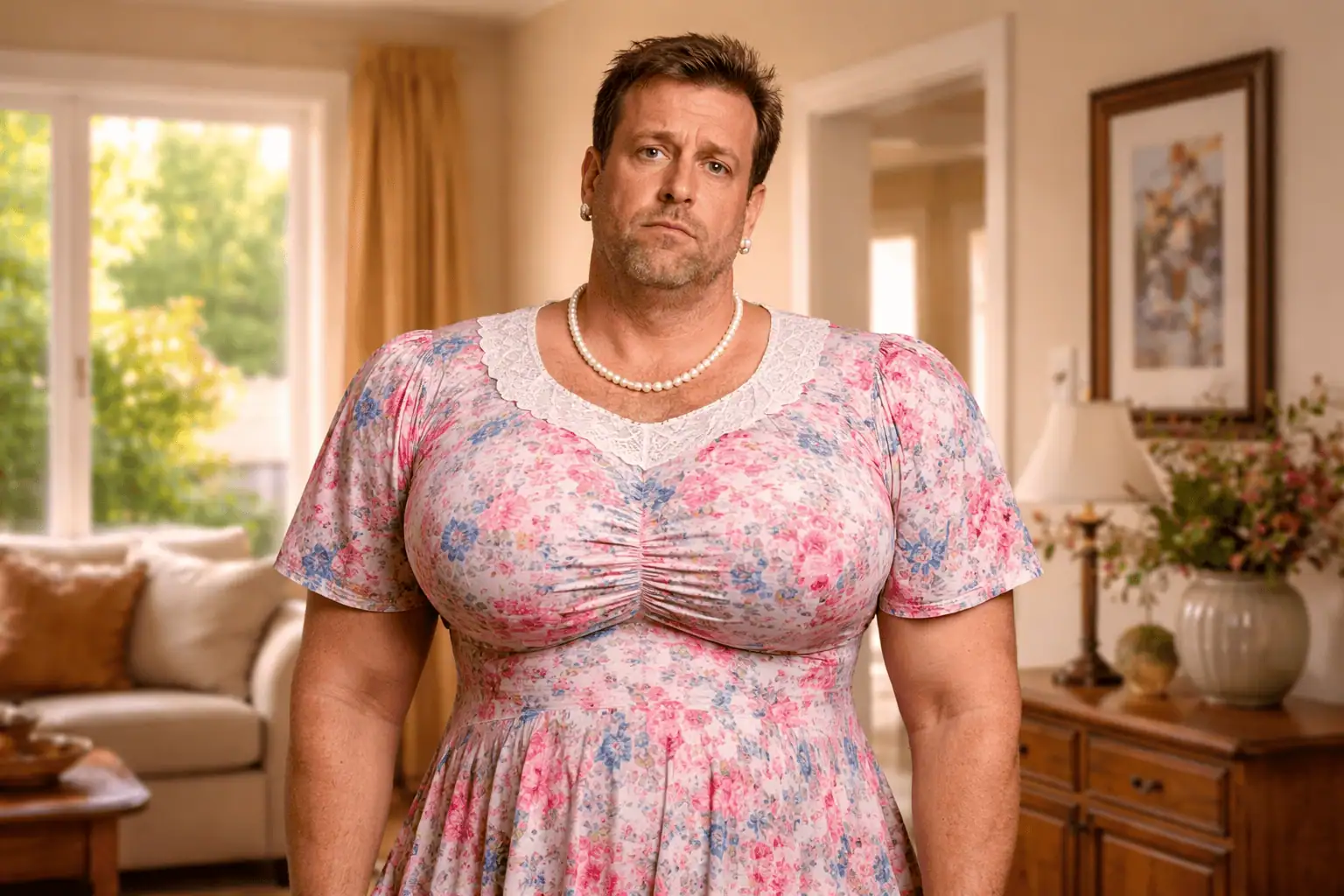
If you keep seeing people ask what is bimbofication, the simple answer is this: it is the process of becoming, or being turned into, a bimbo persona.
That can involve the look, the behavior, the fantasy, or the full role. And no, it is not just about women. That is where people get it wrong right away. A lot of them hear the word bimbo and picture one type of woman with blonde hair, fake boobs, heavy makeup, lip gloss, tiny clothes, and a ditzy attitude. That image is part of it, but it is not the whole thing anymore.
Men do it too. There are himbos, thembos, submissive guys, straight couples using it in the bedroom, queer people playing with it, and creators building entire online personas around it. So let’s kill the lazy assumption now. Bimbofication is not just a woman thing, and it is not just a gay thing either. It is a transformation concept that can apply to all kinds of people.
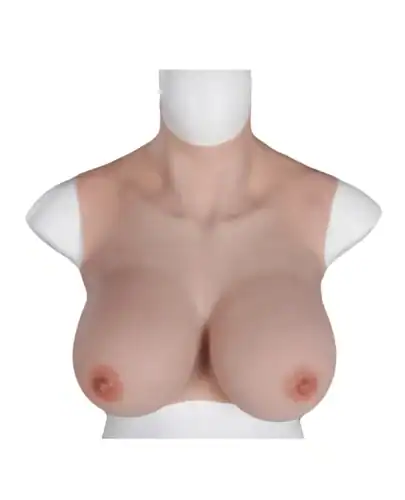
The persona usually becomes more exaggerated, more sexualized, more hyper feminine, and more focused on appearance, confidence, and performance. That can mean heavy makeup, big hair, plastic surgery fantasies, flashy clothes, heels, curves, gloss, and the whole overdone package. It can also mean a mental shift into something more bubbly, playful, flirtatious, submissive, attention-seeking, or locked into a stereotype on purpose.
That is why bimbofication crosses so many lanes at once. It can be aesthetic, sexual, funny, humiliating, empowering, trashy on purpose, or even a parody of societal norms. A lot of the humor comes from how ridiculous it is. Fake nails, fake lashes, fake innocence, fake confusion, and a very real commitment to the bit.
The Word Bimbo Has a Messy Past
The word bimbo did not start as something playful. For years, it was used as a derogatory term for someone, usually a woman, who was seen as attractive but stupid, naive, shallow, or uneducated. It carried the same old assumptions people have always thrown at feminine women: too sexy to be smart, too polished to be real, too focused on beauty to be taken seriously.
That stereotype never really disappeared. It just kept getting recycled through pop culture in different forms.
That is why bimbofication gets such a strong reaction. Some people see it as leaning into the insult, others see it as reclaiming it, and plenty see it as ridiculous, sexual, funny, or straight-up trashy. Depending on who is doing it and why, it can be any of those things.
Why Bimbofication Feels Funny to People
A lot of the appeal comes from how excessive it is. Bimbofication pushes everything further: more beauty, more gloss, more sex appeal, more performance, more attitude, more obvious commitment to the fantasy. It takes a stereotype and cranks it up until it becomes impossible to ignore.
That is why people are drawn to it. It is not subtle, tasteful, or restrained. It is loud, flashy, sexual, ridiculous, and fully aware of what it is doing. For some, that makes it funny; for others, that makes it hot. For plenty of people, it is both.
Part of the pull is that it offers an escape from being serious all the time. It steps away from responsibility, respectability, and the constant pressure to prove your intelligence, worth, or self-control. Instead, it leans into pleasure, beauty, attention, fantasy, and feeling good in your own skin.
That hard swing away from everyday expectations is exactly what makes it land.
Men Do Bimbofication Too
This is the part people either ignore or act weird about.
Yes, men do bimbofication.
Sometimes it gets framed as himbo culture when a man stays more masculine-coded but leans into being hot, clueless, and lovable. Other men take it much further and move into feminization, sissification, dollification, or full bimbofication fantasies. That can involve makeup, fake breasts, wigs, trashy outfits, exaggerated femininity, or a submissive sexual role. Depending on the dynamic, it can be funny, humiliating, deeply erotic, or all of it at once.
And not every guy doing it is gay.
That is another lazy assumption people make. A straight man can be into bimbofication as a kink. A bi man can. A gay man can. A submissive husband can. A dominant partner can guide someone through it in roleplay. A couple can use it as bedroom fantasy without it changing anybody’s orientation.
A fantasy is not the same thing as an identity. A persona is not the same thing as a sexuality. A kink is not the same thing as who you love.
That is the whole point people miss when they try to shove bimbofication into one box.
The Role of Perception in Bimbofication
Perception is everything when it comes to bimbofication. The whole concept is built on how society sees—and judges—people who embrace the bimbo persona. For decades, the term bimbo was a flat-out derogatory term, used to describe women as attractive but uneducated, naive, or shallow. It was a label meant to put feminine people in their place, to say that if you’re beautiful or hyper feminine, you can’t possibly be smart or serious.
But here’s where things get interesting: many individuals are flipping that script. Instead of running from the word bimbo, they’re embracing it, owning it, and using it as a form of self-expression and empowerment. The exaggerated makeup, heavy makeup, and hyper-feminine clothes aren’t just about looking attractive—they’re about challenging societal norms and the male gaze. It’s about saying, “I’ll define what femininity means for me, thanks.”
Pop culture helped build the bimbo persona long before social media got hold of it.
Paris Hilton is one of the easiest examples. She became this giant symbol of the glamorous, hyper-feminine, maybe-dumb-maybe-not character that people could not stop staring at. The same thing happened with other women who got shoved into the “hot but not serious” box just because they leaned hard into beauty, softness, glamour, and sexuality.
That image stuck because society loves the idea that a feminine person must be shallow. It is a stupid assumption, but it is persistent.
Now the internet has taken that image and blown it up into something stranger. People use the term bimbo on purpose now. Some use it for self-expression or for empowerment. Some use it in kink communities. Others use it in porn. And some use it as a joke. Even some use it to build entire brands online.
Bimbofication as Expression and Identity
Bimbofication isn’t just a kink, a joke, or a fleeting trend—it’s also a powerful form of expression and identity for many people. Creating a bimbo persona gives individuals the freedom to step outside the expectations of everyday life and explore new sides of themselves. For some, it’s about challenging the societal norms that say femininity and sexuality should be toned down or hidden. For others, it’s about embracing desires, transformation, and the thrill of becoming someone bolder, more playful, or more confident.
In relationships, especially those with a dominant partner and a submissive partner, bimbofication can be a way to explore boundaries, desires, and control in a consensual, empowering way. The dominant partner might guide the transformation, but the real power comes from open dialogue, clear boundaries, and mutual consent. And it’s not just about partnered play—many individuals use bimbofication as a solo journey, taking charge of their own transformation and empowerment.
Plastic surgery, makeup, and clothing can all be tools to enhance the bimbo persona, but the heart of bimbofication is about agency and self-expression. It’s about creating a form, a concept, a lifestyle that feels right for you. Community support is crucial here, too—having a space where people can share experiences, ask questions, and celebrate their journeys makes all the difference. By embracing bimbofication, people are reclaiming their sense of femininity, beauty, and sexuality, and proving that you can define your own identity on your own terms. Empowerment, after all, is about having the control to create the life—and the persona—that makes you feel good.
Bimbofication and Kink Go Together More Than People Admit
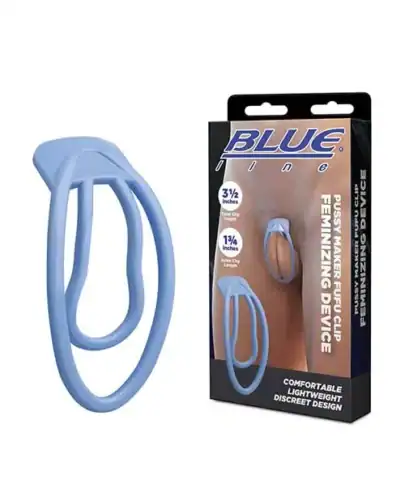
This is where the topic gets more real for a lot of people, because bimbofication absolutely overlaps with kink.
In that context, it usually centers on transformation. A person becomes hotter, emptier, sluttier, more playful, more feminine, more eager, more obedient, and more focused on sex and appearance. That shift can be physical, mental, verbal, or behavioral, and it can happen through dirty talk, clothing, makeup, humiliation, praise, power exchange, or guided roleplay with a partner.
A dominant partner may steer the transformation, while a submissive partner may want to be “made into” a bimbo. The appeal can come from loss of control, attention, humiliation, release, absurdity, or the thrill of slipping into a completely different persona.
That is why bimbofication is much bigger than an internet trend about reclaiming femininity. In real life, it often lives in fantasy, sex, kink, and consent-based roleplay.
Bimbofication Is Not the Same as Being Stupid
This is another place people lose the plot. Bimbofication is not about proving a person is actually dumb. It is about persona.
The persona can be exaggerated, airheaded, sexually open, silly, or heavily focused on beauty and attention, but that does not mean the person behind it lacks intelligence. In many cases, the whole thing is deliberate. The person playing the role knows exactly what they are doing. They are creating a form. A fantasy. A character. A performance.
That is what makes the whole thing slippery. Outsiders see the surface and think, wow, what an idiot. Meanwhile the person doing it may be completely aware, completely intentional, and getting exactly what they want out of the situation.
Why Some People Call It Empowerment
For some people, it genuinely feels good. There is relief in not minimizing yourself, not toning down femininity, and not acting like beauty, sexuality, or pleasure need to be buried under seriousness. For the people drawn to it, bimbofication can feel like self-expression, self-love, confidence, and a way to embrace desire without apology.
It can also feel like taking a stereotypical insult and turning it into something playful, sexual, and personally meaningful. That is where all the reclaiming femininity talk comes from. But let’s be honest, that is not the only lane.
Why Other People Think Bimbofication Is Bullshit
Because sometimes it is.
Some critics argue that bimbofication pulls feminism backward by leaning right back into patriarchal beauty standards. Instead of breaking the system, it can end up polishing the same old rules and calling it rebellion.
A lot of that criticism also ties into the backlash against girl boss culture. The girl boss era sold women the idea that power meant hustling harder, leaning in, and proving they could thrive in male-dominated spaces by acting tougher, sharper, and more “serious.” Bimbofication pushes back by rejecting the idea that women have to tone down femininity to earn respect. At the same time, critics argue that it can swing too far in the other direction and start celebrating the exact stereotypes women were trying to escape.
Not every version of bimbofication is deep. A lot of it is porn brain, social media aesthetics with fake meaning glued on top, or the same old societal norms dressed up to look rebellious. In plenty of cases, it is just a male gaze fantasy wearing empowerment language like a cheap wig.
That criticism is fair too. Not everyone doing bimbofication is trying to reclaim femininity or make some larger cultural point. Plenty of people just want to be hot and ridiculous. Others want to be objectified, controlled, watched, laughed with, or pushed deeper into the fantasy. Some chase attention, some want release, some just want to get off.
So What Is it Really

I am a creative digital marketer and brand strategist with nearly two decades of hands-on experience helping businesses grow online. Based in Sugarloaf, California, I have worked across everything from rebranding retail stores to boosting e-commerce performance with smart SEO and a strong visual identity. My background is grounded in design, photography, and content marketing to build brands that actually connect with people. I am all about practical strategies, clean design, and ensuring the message matches the mission, on screen and in print.