
Feeling Empty After Sex
Sex is supposed to leave you satisfied, relaxed, connected, or ready to fall asleep with a stupid grin on your face. Sometimes it does. Other times, the orgasm ends, and something inside you drops. You feel hollow, sad, distant, irritated, or strangely alone. That is what feeling empty after sex can look like: a wave of emotional flatness or disconnection after sexual activity, even when the sex was consensual and pleasurable.
You may not understand it. The sex may have been consensual. You may have enjoyed it. Your partner may have done nothing wrong. You might even have had an incredible orgasm. Then the emptiness arrives.
Feeling empty after sex does not automatically mean the sex was bad. It does not prove you chose the wrong partner. Nor does it mean something is broken inside you.
It may simply mean your emotional experience did not end when the physical pleasure did. From here, we’ll look at the emotional crash some people have after sex, including postcoital dysphoria, why emptiness can show up around emotional safety, shame, stress, relationship dynamics, and aftercare, and when it may help to reach out for professional support.
What Post-Sex Emptiness Feels Like
The feeling is not the same for everyone. Some people become quiet after sex. Others want to cry without knowing why. Some people feel sad, while others may feel anxious, irritated, embarrassed, restless, or emotionally numb.
You might suddenly want your partner to leave. You might want them to hold you tighter. Sometimes, you want both at the same time.
For some people, the feeling lasts a few minutes. For others, it hangs around for several hours. About 20% of people feel this way after sex monthly.
It can also create confusing thoughts:
Why did I do that?
Why don’t I feel closer?
Why am I sad when I just had an orgasm?
Does this mean I don’t love my partner?
Those questions can make the original feeling worse. Now you are not only empty. You are also judging yourself for being empty.
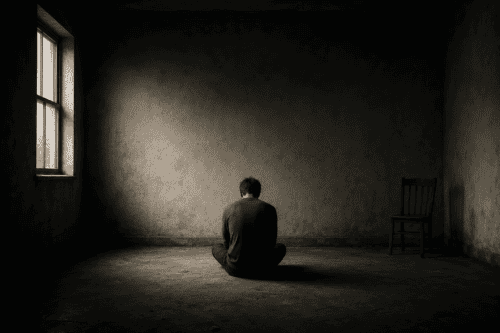
It May Be Postcoital Dysphoria
Recurring sadness, irritability, or emotional discomfort after sex is sometimes called post coital dysphoria. It is also known as the post-sex blues.
Despite the name, you do not need to have intercourse to experience it. The feeling can appear after different sexual activities. It may also happen after an orgasm during masturbation. It can show up in different sexual contexts, including solo and partnered experiences, and across sexual contexts that feel otherwise very different.
One study of postcoital symptoms found that people reported experiences including sadness, mood changes, unhappiness, and low energy after sexual activity. More recent studies suggest it is not limited to women: women report experiencing it at notable rates, with 46% of women report experiencing PCD at some point, while 41% of men have experienced PCD at least once, or nearly half in one group.
That does not mean every uncomfortable feeling after sex is a medical condition. Postcoital feelings vary, and postcoital dysphoria is one possible description, not an automatic diagnosis.
Sometimes, the emptiness has a clearer emotional source. Other times, it seems to appear from nowhere.
Pleasure Can End Before Your Emotions Do
Sex can create an intense bubble.
During arousal, your attention may narrow. The outside world becomes less important. Stress, insecurity, work, grief, and relationship problems can temporarily disappear. Then the orgasm ends.
The room becomes quiet. Your thoughts return. The emotional contrast can feel brutal, especially when a sudden hormonal drop after climax reduces bonding and reward chemicals. You may still feel pleasure during sex, but that shift can quickly bring up negative feelings afterward.
You went from intense sensation to stillness within seconds. Nothing terrible necessarily happened. However, hormonal fluctuations can trigger feelings of sadness after sex, and your mind may need more time to catch up with your body.
This can be especially noticeable when you already feel emotionally overwhelmed. Our article on how stress and anxiety affect your sex life explains how outside pressure can follow you into sexual experiences.
Sex may distract you from those feelings. It cannot always erase them.
Sex May Expose Past Trauma That Was Already There
Sometimes, sex does not cause the emptiness. It simply makes it harder to ignore.
You may have felt lonely before the sexual experience began. You may have wanted reassurance, comfort, validation, or escape.
Pleasure gave you a temporary break. Once it ended, the original feeling returned.
This can happen during stressful periods, especially when broader mental health strain, including anxiety, depression, psychological distress, or other psychological burdens, makes you more vulnerable afterward. It may also appear after rejection, major life changes, grief, or a breakup.
Sex after a relationship ends can be especially complicated. You may feel excitement and sadness inside the same experience. Our guide to sex toys after divorce explores how pleasure can become part of reconnecting with yourself after a major emotional change.
There is nothing dishonest about wanting pleasure while grieving. Human emotions rarely arrive one at a time.
You Wanted Release Instead of Connection
Not every sexual experience needs to be deeply romantic. Sometimes, you want an orgasm. That is enough.
However, trouble can begin when your body wants release while another part of you wants closeness. You may not recognize that need until the sexual energy disappears.
You got the physical experience you asked for. You did not get the emotional experience you hoped would come with it.
That can happen in an intimate relationship. It can also happen in any other sexual encounter.
You may lie beside someone you love and still feel alone. Physical contact does not always create emotional connection automatically, especially if the ability to stay emotionally present or feel comfortable asking for closeness is missing after sex.
This does not make casual sex bad. It does not mean partnered sex must always feel profound. It simply helps to know what you are actually looking for.
An orgasm cannot promise companionship, reassurance, or emotional safety. Sometimes it provides those things. Sometimes it does not.
The Experience May Have Felt Emotionally Unsafe or Caused Psychological Distress
Consensual sex can still leave you without feeling completely comfortable afterward.
Maybe you agreed because you wanted to please someone. Perhaps you continued after your excitement faded. You might have ignored an uncomfortable feeling because stopping seemed awkward.
You may also have tried something that sounded exciting in fantasy but felt different in real life.
None of that automatically means your partner harmed you. It may mean you crossed one of your own emotional boundaries before you understood where it was.
Consent is not only about saying yes. It also involves feeling able to pause, redirect, laugh, change your mind, or stop completely. For some people, past trauma, abuse, or other trauma can make an otherwise ordinary situation feel emotionally unsafe even when nothing overtly wrong happened in the moment.
Emotional safety matters during solo and partnered pleasure. These emotionally safer ways to masturbate with a partner can help make shared exploration feel less exposed or pressured.
Afterward, ask yourself a gentle question: Did I truly want that intimate moment, or did I want to be the person who wanted it?
The answer may explain more than you expect.
Shame Can Return After Arousal
Arousal has a way of silencing judgment. You may watch something, fantasize about something, or use a toy that feels completely right in the moment. After orgasm, the excitement disappears and old shame rushes back in.
Now you are reviewing everything. Was that fantasy weird? Did I look ridiculous? Did I take too long? What does this say about me?
Usually, it says that you are a person with a sexual imagination.
Fantasy does not always represent what you want in daily life. Arousal is not a confession. Enjoying a sensation does not create a permanent label.
Shame often survives through secrecy and harsh self-judgment, and guilt and shame can hit harder if you have experienced sexual trauma or sexual abuse. A traumatic event can increase the risk of postcoital dysphoria. Try replacing “What is wrong with me?” with “What exactly am I afraid this means?”
The second question gives you something real to examine.

It Can Happen After Masturbation
Feeling empty after an orgasm is not limited to partnered sex.
You may finish masturbating and immediately lose interest in the fantasy, video, toy, or activity that excited you. That sudden distance can feel almost embarrassing.
Sometimes, masturbation was being used to avoid boredom, anxiety, sadness, or loneliness. Once the orgasm ends, those feelings are still waiting.
That does not make masturbation unhealthy. People use many ordinary activities for comfort, including food, television, exercise, and music.
The important question is whether solo pleasure is helping you care for yourself or becoming your only way to escape.
Consider changing the experience instead of abandoning it. Slow down. Use less intense stimulation. Stop chasing the fastest possible orgasm. Give yourself time to notice what feels emotionally good, not only physically effective.
Pleasure does not need to become another task you rush through.
Your Partner May Misread the Reaction
Post-sex distance can be frightening for a partner. They may think you regret the experience. They might assume they disappointed you or crossed a boundary. If you suddenly become silent, they may begin filling that silence with their own fears.
You do not need to explain everything immediately. Many people feel this way after sex, and it can help to talk about it during a calm moment:
“I enjoyed being with you. I sometimes feel emotional after sex, and I need a little time.”
That tells your partner the reaction is real without blaming them. You can discuss the deeper details later. Explain what the emptiness feels like and what usually helps. Be specific. Do you need quiet? Or maybe you want to be held? Would water, a snack, a shower, or clean sheets help? Would you rather have ten minutes alone?
If toys are part of your shared sex life, open communication matters there too. Using a vibrator with your partner may help keep the experience collaborative rather than performance-driven.
Your partner cannot read your nervous system. A supportive partner can respond with reassurance, patience, and physical closeness when that helps.
Aftercare Is Not Only for Kink
Aftercare is often discussed around BDSM, but anyone can need it. Sex can leave you sweaty, vulnerable, overstimulated, emotionally exposed, or suddenly exhausted. Moving directly from intense intimacy to checking your phone can feel jarring.
Aftercare does not need to become a ceremony. It may mean staying close for five minutes. It could involve washing up together, drinking water, getting dressed slowly, or talking about something ordinary.
Some people need an affectionate touch. Others need space. Neither response is more loving.
You can also create closeness without immediately starting another sexual activity. A slow back rub or sensual massage for intimacy can help the experience end gradually.
The goal is not to force happiness. It is to give your mind and body a softer landing.
Notice the Pattern Without Interrogating Yourself
One difficult night does not require a complete investigation into your sexuality. However, recurring emptiness deserves attention. Notice when it happens as a self-reflection practice that can help identify triggers for postcoital feelings.
Does it follow casual sex but not relationship sex? Does it happen after masturbation? Is it connected to certain fantasies, partners, toys, or sexual activities?
You might feel fine after slow sex but empty after rushed sex. Maybe the reaction appears when you orgasm but your partner immediately rolls over.
The pattern may involve stress outside the bedroom. It could become stronger when you feel rejected, insecure, exhausted, or disconnected from your body.
Write down a few details without turning the process into evidence against yourself.
You are looking for information, not building a case, so you can act on patterns with more self-awareness, not self-punishment.
When to Ask for Support and Explore Treatment Options
Occasional post-sex sadness may pass without becoming a larger problem.
Consider talking with a qualified healthcare professional or therapist when the feeling becomes frequent, severe, or difficult to manage, so you can review appropriate treatment options. Support may also help when sex triggers panic, traumatic memories, intense shame, or ongoing relationship distress.
You should not need to dread the emotional crash every time you experience pleasure.
A professional can help you explore possible emotional, relationship, medication, or health factors, including psychological correlates, past trauma, and body issues that affect how you feel in your own body. Support may come from a clinical psychologist, a therapist trained in sexual medicine, or, when problems in close relationships are central, marital therapy. They can also help you separate the sexual experience from the story you tell yourself afterward.
Seeking support does not make the feeling more dramatic. It means the feeling is affecting your life enough to deserve attention.

You Are Not Broken
An orgasm can feel wonderful and still leave complicated emotions behind.
You might need more connection. You may need more space. Perhaps sex uncovered grief, loneliness, shame, or anxiety that pleasure could only quiet temporarily.
You do not have to force yourself to feel satisfied because the sex was technically good. You are allowed to pay attention to what happens after the pleasure ends.
Move slowly. Be honest with yourself. Ask for the kind of aftercare that actually helps.
When you are ready to explore pleasure again, Jack and Jill Adult offers sex toys for solo and shared experiences without judgment, pressure, or shame.

I am a creative digital marketer and brand strategist with nearly two decades of hands-on experience helping businesses grow online. Based in Sugarloaf, California, I have worked across everything from rebranding retail stores to boosting e-commerce performance with smart SEO and a strong visual identity. My background is grounded in design, photography, and content marketing to build brands that actually connect with people. I am all about practical strategies, clean design, and ensuring the message matches the mission, on screen and in print.