How to Get Aroused
How to get aroused starts with understanding that arousal is not just “wanting sex” — it depends on your brain, nervous system, blood flow, emotions, and physical sensations, and many people need the right kind of touch, mental focus, or a relaxed setting for their body to respond. Sometimes desire shows up quickly. Other times, you need a little space, the right stimulation, or a reason to stop thinking about everything else.
If you want to understand and improve your own arousal — whether you’re curious about your sexuality, trying to have better intimate experiences, or dealing with low desire or a lack of physical response — it helps to know that there is no single trick that works for everyone. The difference between desire and arousal, the effect of stress and relaxation, anticipation, communication, types of stimulation, overall health, and when arousal problems are worth discussing with a healthcare professional can all shape what happens in your body. Understanding those factors can make sex feel less confusing, help you address what may be getting in the way, and give you a clearer path to a more satisfying sex life.
What Happens During Sexual Arousal?
Sexual arousal is your body’s response to sexual stimulation, thoughts, or experiences. It can involve physical changes such as increased blood flow to the genitals, greater sensitivity, an erection, vaginal lubrication, or changes in breathing and heart rate. You might also notice a stronger interest in touch, fantasy, or sexual activity.
The sexual response cycle is often described in stages: desire, arousal, plateau, orgasm, and resolution. In real life, however, those stages do not always happen in a neat order. You might feel desire before physical arousal, become aroused before you consciously feel desire, or enjoy sexual activity without reaching orgasm.
That is completely normal. Your body’s response is not a test you have to pass.

Desire and Arousal Are Not the Same Thing
One of the most useful things to understand about sexual health is the difference between wanting sex and feeling physically aroused.
Spontaneous desire is the kind that seems to appear on its own. You might be going about your day and suddenly feel interested in sex. Responsive desire develops after something pleasurable begins, such as kissing, cuddling, fantasy, or other physical touch.
Neither is better. Many people experience both at different times.
This distinction matters because you do not always have to feel desire before you start exploring intimacy. Sometimes desire develops after you begin enjoying yourself. On the other hand, you should never feel pressured to continue sexual activity just because you hoped arousal would appear.
If you want to explore the difference further, our article on why libido changes looks at how sexual interest can shift over time.
Give Your Brain Something to Work With
Your brain is one of the most important parts of sexual arousal. Thoughts, anticipation, emotional connection, and psychological factors can all influence whether you feel turned on.
For some people, reading erotica or choosing to watch porn helps create a sexual mindset. Some couples also do this together, and it can support intimacy and sexual communication when both people are comfortable. Others respond more to imagination, music, a particular atmosphere, or thinking about a previous sexual experience. You might enjoy a fantasy without ever wanting to act it out in real life. For some people, engaging in fantasies can help reactivate a lagging libido.
The goal is not to force yourself to feel desire. It is to discover what genuinely interests you.
Self-exploration can help. Pay attention to what makes you curious, what kinds of touch you enjoy, and whether certain situations make it easier to feel aroused. Your preferences may change, and that is part of learning about your own sexuality and sexual experiences.
Create an Environment That Lets You Relax
It is difficult to focus on pleasure when your brain is still working through a to-do list.
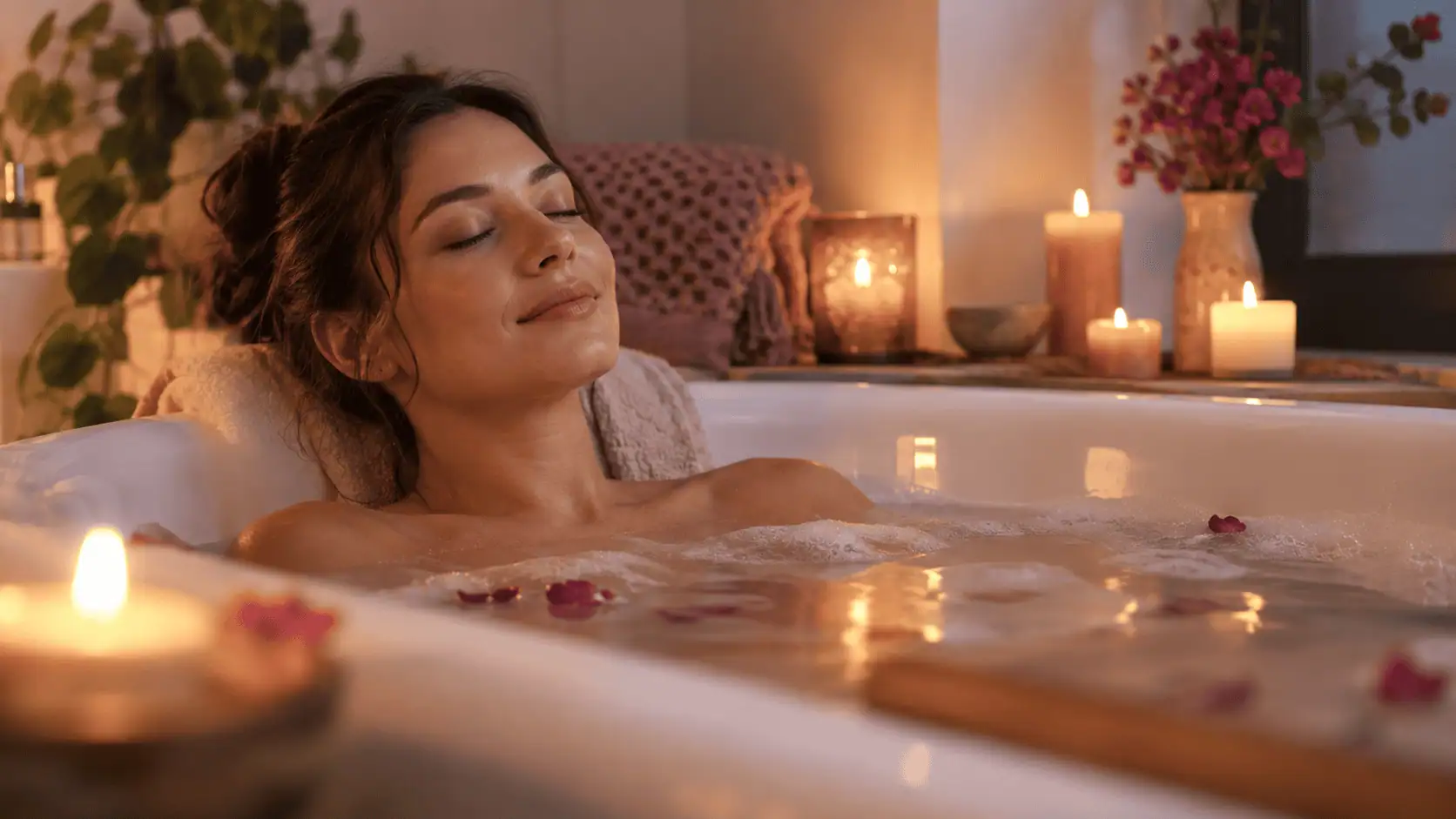
A comfortable environment can reduce distractions during intimate moments. That might mean putting your phone away, dimming the lights, taking a warm shower, or choosing a time when you are not exhausted, since adequate sleep supports healthy hormone production. Chronic sleep loss can disrupt arousal pathways and reduce sexual desire. Calming scents or music can help if you enjoy them, but there is no need to create an elaborate romantic production.
Stress levels matter because the nervous system influences sexual response, and many factors can shape how responsive you feel in the moment. When you feel tense, distracted, or unsafe, arousal may become more difficult, and stress can raise cortisol levels, which may negatively impact libido. A calmer environment can make it easier to shift out of a high-alert state and toward relaxation.
Sometimes the most effective change is simply giving yourself permission to have free time without expecting anything to happen.
Build Anticipation Instead of Rushing
Arousal is not a light switch. For many people, it builds gradually.
You might start with kissing, massage, cuddling, or another kind of non-sexual physical touch, which helps build a baseline of comfort and connection. If you want to continue, explore what feels good rather than immediately moving toward penetration or orgasm. Different erogenous zones respond to different sensations, and the same touch can feel different depending on your mood.
Foreplay helps build anticipation and increases blood flow, and there is no universal amount required for feeling aroused or becoming fully aroused. Many people need at least 20 minutes, and this is especially common for vulva owners who may need about that long to be fully aroused. Most couples spend less than 12 minutes on foreplay. The important thing is to pay attention to your body rather than the clock. Couples who spend longer on foreplay tend to report higher sexual satisfaction.
Building anticipation throughout the day can also help. A flirtatious message, planning a date night, or knowing you will have quality time together may make the transition from daily life to intimacy feel more natural.
Talk About What Actually Feels Good
Open communication can make partnered sex much more enjoyable, especially when you and your partner have different preferences or levels of desire, and it can improve comfort and sexual satisfaction.
You do not need a formal conversation every time. Simple comments can help: “I like that,” “Can we slow down?” or “I want to try something different.” Using “I” statements can make it easier to discuss sexual likes and concerns without making either person feel criticized.
If you are experiencing arousal difficulties, it can also help to explain what is happening. Saying “I’m distracted tonight” or “I need more time” is more useful than pretending everything is fine, and it is okay to feel vulnerable when talking honestly about needs or boundaries.
Relationship dynamics, emotional connection, and self confidence can all affect arousal. Creating a safe space for honest conversation helps remove some of the performance anxiety that can make intimacy feel like work.
Explore Different Kinds of Stimulation
Sometimes the issue is not a lack of interest in sex. You simply have not found the kind of stimulation your body wants.
Try changing the pressure, speed, location, or type of touch. Some people prefer external stimulation, while others enjoy penetration, a combination of sensations, or something entirely different. There is no requirement that one kind of sexual activity work for everyone.
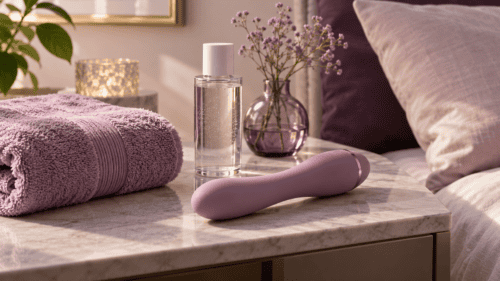
This is where pleasure products can be useful. A vibrator can introduce a sensation that fingers or partnered sex may not provide and may help sexually arouse more effectively. A lubricant can reduce friction and improve comfort. Other sex toys can help you explore different forms of stimulation and discover what you enjoy. Reviewing pleasure products can also help you find what supports your arousal best.
At Jack and Jill Adult, we believe different products can support different kinds of arousal and sexual satisfaction, and exploring pleasure should be about curiosity, not fixing something that is wrong with you. You can browse our sex toys and find options for solo play or couples, whether you are looking for a first vibrator, something new for date night, or a different way to enhance arousal.
What If Your Body Is Not Responding?
Feeling desire without much genital arousal can be confusing, but it does not automatically mean something is wrong.
For example, vaginal dryness can happen even when someone feels mentally turned on. Hormonal changes, certain medications, stress, and other health conditions may influence lubrication. Using lubricant can improve sexual comfort, but persistent dryness or pain deserves medical attention.
Similarly, an erection does not always appear simply because someone wants sex. Blood flow, nerve endings, hormones, stress, and psychological factors all play a role. Occasional erectile difficulties are common, but persistent erectile dysfunction may require medical evaluation.
Physical arousal and subjective desire do not always match. Your body may respond without you feeling interested in sex, or you may feel desire without the physical changes you expected.
Support Arousal Through Everyday Sexual Health
Your sexual well-being is connected to your overall physical health, and it is also an important part of women’s health.
Regular movement, adequate sleep, and managing chronic stress can support sexual function. Cardiovascular exercise is particularly relevant to circulation and confidence, and it may also improve body image, which can shape how comfortable you feel during intimacy. Feeling better in your body can support desire and arousal by increasing comfort and confidence. Some people also find that structured support, including coaching CrossFit, helps them stay consistent with exercise. Healthy blood flow is important for erections and other physical responses, although exercise is not a guaranteed solution to every arousal problem.
Hormonal changes, certain medications, and health conditions can also affect sexual desire and responsiveness. If you notice a change after starting a medication, speak with your healthcare provider rather than stopping it on your own.
Lifestyle factors matter, but they are only part of the picture. You do not need a perfect diet, exercise routine, or stress-free life to enjoy sex.
When Should You Talk to a Healthcare Provider?
Occasional low arousal is usually not a cause for alarm. But if arousal difficulties are persistent, distressing, or represent a sudden change, a healthcare provider can help you look for possible causes. Before your appointment, consider recording episodes of low arousal, dryness, pain, or erectile changes so patterns are easier to discuss.
That is especially important if you are also experiencing pain, significant vaginal dryness, erectile problems, unusual fatigue, or other new symptoms. These problems can have physical, psychological, or relational causes, and many factors may be involved. A medical evaluation may include reviewing medications, hormonal changes, physical health, and psychological factors.
If erectile dysfunction is ongoing, a clinician can discuss appropriate ED treatment options. If low libido, sex drive, or arousal changes are affecting your well-being, a sexual health specialist or qualified therapist may also be helpful.
You do not have to diagnose yourself or assume that every change is caused by hormones.

Better Sex Starts With Paying Attention
Learning how to get aroused is less about finding a universal technique and more about understanding your own body.
Notice what helps you relax. Explore the kinds of touch you enjoy. Talk openly with your partner. Give yourself enough time to build anticipation, and remember that desire does not have to appear before every sexual experience.
Some days, arousal comes easily. Other days, stress, sleep, mood, or relationship issues may make it harder. That does not mean every intimate moment has to end in orgasm—or even sex.
And when you want to explore something new, Jack and Jill Adult has adult toys and vibrators that can help you discover different sensations and make intimacy more interesting.
The point is not to make your body perform on command. It is to learn what feels good and give yourself room to enjoy it.

I am a creative digital marketer and brand strategist with nearly two decades of hands-on experience helping businesses grow online. Based in Sugarloaf, California, I have worked across everything from rebranding retail stores to boosting e-commerce performance with smart SEO and a strong visual identity. My background is grounded in design, photography, and content marketing to build brands that actually connect with people. I am all about practical strategies, clean design, and ensuring the message matches the mission, on screen and in print.