Milk, Cum, Crash, Repeat: The Science of Getting Drained
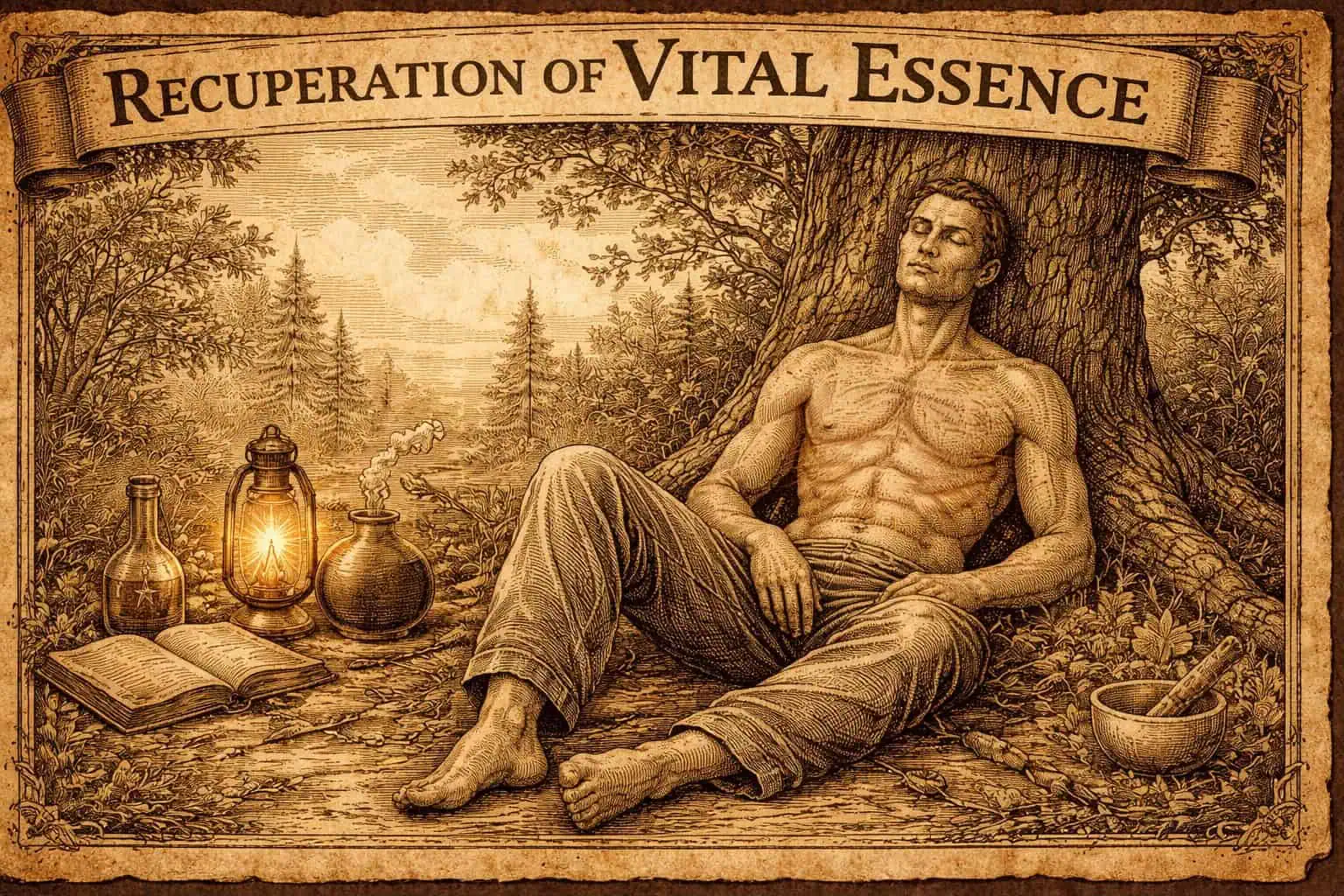
For centuries, certain cultures and traditions have warned that losing semen depletes a man’s vital energy or health. Taoist and Ayurvedic doctrines viewed semen as a “vital fluid”, and Dhat syndrome in South Asia exemplifies a culture-bound anxiety where men believe semen loss causes weakness and illness.
Modern science has found no evidence that moderate or even frequent ejaculation harms long-term health, vitality, or life expectancy. The momentary fatigue or relaxation after orgasm is normal, not a sign of permanent loss. In other words, climaxing regularly will not sap your strength or sanity – those old notions are myths. On the contrary, sexual release is a natural physiological process with several health benefits, as we’ll discuss.
Physical Effects of Frequent Ejaculation
Frequent ejaculation (such as in a vigorous milking session) does have some short-term physical effects, but these are mild and temporary:
Semen Volume and Sperm Count:
If a man ejaculates many times in a short period, the immediate volume of semen and concentration of sperm per ejaculate can drop slightly – simply because the reproductive system is drawing from its stored supply more rapidly. However, the body replenishes these levels quickly. Research shows that for most men, semen volume and sperm counts return to baseline within 24–48 hours once ejaculation frequency is reduced. In other words, being “milked dry” is only a temporary state; the tanks refill within a day or two.
Temporary Fatigue and Relaxation:
It’s normal to feel tired or drowsy after orgasm. Ejaculation triggers a cascade of calming physiological responses – muscles relax and a wave of “feel-good” hormones floods the body (more on that in the next section). Many men experience that classic need for a short nap after climax. Sex educators affirm that post-orgasm relaxation or even a brief “crash” is common and not harmful. Your body has expended energy and released tension, so a bit of exhaustion or “spent” feeling is to be expected. Importantly, this fatigue is short-lived – typically resolving after a little rest – and not a sign of any damage.
Penile Soreness or Swelling:
Engaging in excessive or very vigorous stimulation can leave the genital tissues a bit overworked. Men who masturbate or have sex repeatedly in a short time might notice mild penile edema (swelling) or tenderness due to fluid buildup and friction. Similarly, rough handling without enough lubrication can cause skin irritation – redness, chafing, or soreness on the penis. The good news is that these effects are minor and heal quickly. A swollen or puffy penis from overuse typically resolves within a day or two of rest, and any irritated skin will likewise recover with a short break. (Using lubrication and being gentle can help prevent these issues in marathon milking sessions.)
Nutrient Loss (or Lack Thereof):
Despite old tales that “each ejaculation is like losing a steak dinner,” the actual nutritional cost of an ejaculation is negligible. The average ejaculate is only about 2–5 mL of fluid, containing roughly 5 to 25 calories in total. Semen does have trace amounts of nutrients (like fructose sugar, zinc, protein, etc.), but the quantities are biologically trivial. You are not significantly depleting your body’s energy or nutrients by ejaculating – a single ejaculation’s calorie content is less than a small bite of food. So while frequent ejaculation will empty your sexual reservoirs temporarily, it’s not going to empty your physical fuel tank in any dangerous way.
Crucially, no severe physical health problems result from frequent ejaculation in a healthy individual. It doesn’t cause impotence, it doesn’t weaken the heart or organs, and it won’t stunt growth or anything of that sort. Medical consensus is that masturbation or sex to orgasm, even daily, is generally harmless – barring the minor inconveniences noted above. The body is built to handle it. If anything, research indicates normal sperm quality can be maintained with daily ejaculation, and there may be benefits to frequent release (e.g., slightly improved sperm motility). In summary, “drained” just means a short-term tired feeling or a well-earned rest for your privates, not actual harm.

Hormones, Brain, and the Post-Orgasm “High & Low”
Why do you feel relaxed (or sleepy) after being milked? The answer lies in the potent neurochemical cocktail released at orgasm. Ejaculation is accompanied by a surge in various hormones and neurotransmitters that affect your mood and energy. These include endorphins, dopamine, oxytocin, serotonin, and prolactin, among others. Here’s what they do:
Dopamine
Often called the “reward” neurotransmitter, dopamine spikes during sexual arousal and peaks with orgasm, giving intense feelings of reward and bliss. After orgasm, however, dopamine levels drop sharply, which can contribute to a brief come-down period. (This dopamine crash is sometimes blamed for the slight blues or emptiness some feel post-sex, as discussed below.)
Oxytocin
Nicknamed the “cuddle hormone” or “love hormone,” oxytocin is released during orgasm and fosters feelings of bonding, contentment, and relaxation. It’s one reason you might feel especially affectionate or emotionally mellow after ejaculation.
Serotonin
This neurotransmitter helps regulate mood and promote calm. Serotonin rises with sexual satisfaction and plays a role in the feeling of relief and relaxation after climax, even aiding in post-sex drowsiness.
Prolactin
This hormone is released after ejaculation and is strongly linked to the refractory period (the “off switch” for sexual arousal). Prolactin induces a soporific (sleepy) effect, making both men and women feel ready to doze off after orgasm. It’s essentially nature’s way of saying “mission accomplished, time to rest.” Elevated prolactin also suppresses dopamine, reinforcing that temporary quiescent state.
Together, this chemical surge explains why, after an intense milking, you might feel a wave of blissful lethargy wash over you. Your brain and body are literally bathed in neurochemicals that relax you and blunt stress. In fact, orgasm can be such a potent relaxant that it’s been associated with reduced cortisol (stress hormone) levels and improved sleep quality.
It’s worth noting that because of the abrupt neurochemical swings, some people experience mood fluctuations after sex. Colloquially called the “post-coital blues” or “post-nut depression,” a brief sad or empty feeling can occur right after climax. This is thought to result from the sudden drop in dopamine and serotonin once the peak excitement ends, combined with the emotional comedown from intense pleasure.
Symptoms might include a few minutes of melancholy, irritability, or loneliness after sex. Importantly, these feelings are temporary for most individuals – typically mild and fading soon as brain chemistry rebalances. Simply being aware that it’s a biochemical rebound (and not a sign that something’s wrong) can help one ride it out calmly. In short, the hedonic high of orgasm naturally comes with a gentle afterglow dip; both are normal. Unless these mood drops are severe or persistent (in which case discussing with a healthcare professional is wise), they are just part of the cycle of sexual climax and recovery.

Prostate Health and Benefits of Being “Milked”
Far from harming you, regular ejaculation may confer some health benefits, especially for the prostate gland. Several studies have observed a correlation between higher ejaculation frequency and lower risk of prostate cancer later in life. For example, research (including a large Harvard study) found that men who ejaculated 21 or more times per month had a significantly reduced risk (around 20% lower) of developing prostate cancer, compared to those with less frequent ejaculation. The hypothesis is that regular release may help “flush out” the prostate and ducts, removing potential irritants or carcinogens. It keeps the prostate fluid refreshed and may prevent build-up of old cells or inflammation in the gland.
Beyond cancer risk, it can also help maintain prostate and reproductive tract function. It ensures semen doesn’t stagnate – which might reduce the chance of blockages or calcifications – and might lower the incidence of prostate congestion. Some urologists even suggest that men who have infrequent ejaculations could be more prone to issues like prostatitis (though evidence is still emerging). Ejaculation is a natural exercise for the male reproductive system, and like most exercise, doing it regularly tends to be healthier than long periods of inactivity.
Additionally, from a sexual health perspective, masturbation or sex practiced often can lead to improved sexual function. It helps individuals learn their body’s responses, potentially improving control over arousal and orgasm timing. Frequent ejaculation does not cause infertility or permanently lower sperm counts – the body continually produces millions of new sperm daily. In fact, shorter intervals between ejaculations mean the sperm that are present are “newer” and might have better motility than older sperm sitting around in the storage ducts.
When “Drained” Becomes a Syndrome: POIS
Most people recover normally after orgasm without problems. But a rare condition, Post-Orgasmic Illness Syndrome (POIS), causes real issues. POIS hits hard with flu-like symptoms and mental fog right after ejaculation. Men with POIS often feel exhausted, sore, irritable, or unfocused within hours. Symptoms include feverish chills, runny nose, body aches, and trouble thinking. These intense effects sometimes last several days after release. Researchers believe POIS stems from allergic or autoimmune reactions to semen. Experts also consider neurochemical hypersensitivity a possible cause.
POIS isn’t psychological—it’s a physical, measurable condition. Only a tiny group of men ever experience it. Feeling tired or needing sleep after milking doesn’t mean you have POIS. POIS symptoms go far beyond typical orgasm fatigue. Jelly legs or needing a nap feel normal. Feeling sick or unable to think clearly does not. Men who get sick every time they cum should talk to a doctor. Thankfully, almost no one experiences POIS—it’s extremely rare. Most people never need to worry about it at all.

Blissfully Spent, Not Broken
FFrequent ejaculation, even multiple times a day, won’t damage your health. The worst effects are mild fatigue or slight soreness. You might need a nap or feel a little tender afterward. These temporary effects are normal and fade with rest. Stay hydrated, use lube, and treat your body kindly. There’s no scientific proof that cumming drains vital energy or essence. Sexual release is healthy when done responsibly and with awareness. It helps relieve stress, improves sleep, and supports prostate wellness. After intense milking, it’s normal to feel relaxed and deeply satisfied.
That blissful exhaustion is your body enjoying the afterglow. Your fluids and energy will regenerate within a day or two. With rest, you’ll bounce back quickly and feel recharged. Regular orgasms are part of a balanced and fulfilling sex life. There’s nothing to feel guilty or ashamed about. As with any physical activity, pacing and care matter. You’re not harming yourself—you’re giving your body what it craves. Prostate milking can be incredibly powerful and deeply satisfying. Explore quality Sex Toys for prostate play at jackandjilladult.com. You deserve to feel drained in the best possible way. Rest, recover, and get ready to enjoy it all again.

I am a creative digital marketer and brand strategist with nearly two decades of hands-on experience helping businesses grow online. Based in Sugarloaf, California, I have worked across everything from rebranding retail stores to boosting e-commerce performance with smart SEO and a strong visual identity. My background is grounded in design, photography, and content marketing to build brands that actually connect with people. I am all about practical strategies, clean design, and ensuring the message matches the mission, on screen and in print.