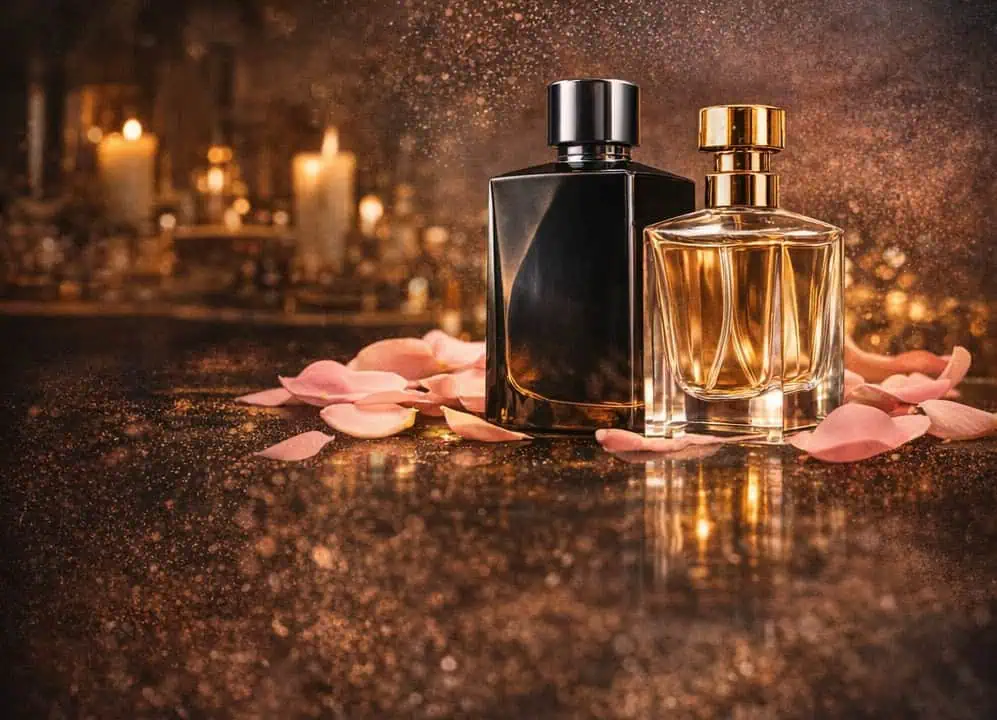
How Perfume Affects Sexual Attraction
Perfume affects sexual attraction in a way that is both simple and surprisingly layered. A good fragrance can make a person smell good, feel attractive, and leave a stronger impression. But the deeper story is about how scent plays with the brain, memory, body chemistry, and person perception. In humans, smell is tied closely to emotion and social judgment, which is why fragrance can influence attraction long before someone can explain why they feel pulled in.
That does not mean perfume is magic. It is not mind control, and it does not override appearance, compatibility, or relationship chemistry. What it can do is shape mood, amplify a signature scent, soften anxiety, and create an emotional atmosphere that makes intimacy feel more natural. Pleasant odors can also raise attractiveness ratings in controlled studies, which helps explain why the right perfume can feel like more than just grooming.
How Perfume Affects Sexual Attraction: Why Scent Matters So Much
The olfactory system has a direct line into brain regions involved in emotion, reward, and memory. That is a big reason scent feels different from other signals. A whiff of fragrance does not just register as “nice” or “not nice.” It can trigger physiological responses, emotional recall, and a fast impression of comfort, sensuality, warmth, or danger. Researchers reviewing perfume and olfaction note that smell is unusually bound up with emotion and associative learning.
This helps explain why sexual attraction is often about more than just appearance. Fragrance can make a person seem cleaner, more confident, more memorable, or more intimate. Even when people are not consciously focusing on smell, scent still affects how they read the person in front of them. And each person perceives scent differently, highlighting the subjective nature of olfactory experiences. In social and dating contexts, odor can influence perceptions of people through multiple pathways, including mood, expectations, and cross-sensory effects.
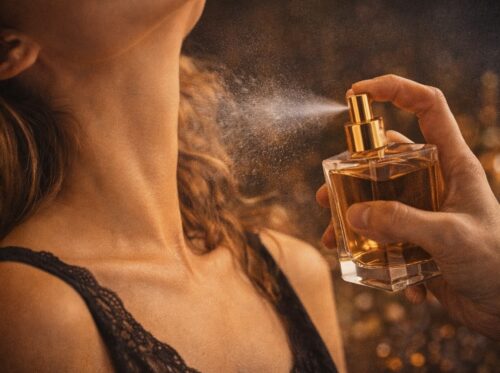
Perfume, Body Odor, and Chemical Signals, and Sexual Attraction
A lot of people jump straight to human pheromones when talking about sexual attraction. That is where things get messy. In animals, pheromones are well established as chemical signals that affect other members of the same species. In humans, the evidence is much less settled. Reviews of the literature repeatedly note that research on pheromones in humans remains unresolved, and that the vomeronasal organ, which is central to pheromone detection in many animals, appears to be nonfunctional in humans. However, olfactory neurons and chemical signals are present throughout different life stages and bodily conditions.
Pheromones are primarily perceived through olfactory sensors and are excreted by several areas of the body, including the skin, sweat glands, saliva, and urine, affecting others of the same species on a psychological and physiological level.
That does not mean scent has no sexual effect in humans. It means the story is probably less about a neat “male pheromones work like animal mating cues” theory and more about a mix of body odor, learned associations, social context, and subtle chemosignals processed through the main olfactory system. Researchers now tend to treat human chemical communication as real but more complicated than old-school pheromones marketing suggests.
Do Human Pheromones Work
The honest answer is: maybe in limited ways, but not in the exaggerated way perfume ads often imply. One compound that has received attention is androstadienone, found at higher levels in male sweat than female sweat. Some studies have reported effects on women’s mood or arousal under certain social conditions, suggesting that male pheromones may influence women’s mood, focus, and emotional state. However, the ecological validity is still debated, especially because some experiments used doses far above what a male body would normally emit.
So when people ask whether pheromones smell sexy or whether male pheromones instantly trigger desire in women, the safest answer is no, not in the simplistic way the market often presents it. However, recent studies suggest that scent can affect mood, attention, comfort, and social perception, and those shifts can feed into attraction. That is a much more believable and useful explanation than claiming one bottle can make the opposite sex helplessly obsessed.
Natural Body Scent Still Matters
Even with all the talk about perfume, natural body odor still plays a role in mate selection. One of the most famous findings in this area is the “sweaty T-shirt” work suggesting that women preferred the scent of men whose major histocompatibility complex, or MHC, was more dissimilar to their own. In plain language, some studies suggest humans may be drawn to body odors linked to genetically compatible partners.
This is one reason fragrance works best when it enhances the body instead of completely burying it. A signature scent that plays well with skin chemistry can be more attractive than an overpowering cloud of perfume. Fragrance does not have to erase the body. In many cases, it is more effective when it shapes and polishes what is already there.
What About Ovulation, Fertility, and Menstrual Cycles
There is research suggesting that men may rate women’s body odor as more attractive near ovulation, which has been interpreted through reproductive biology and fertility signaling. Women may be more sensitive to certain scents during different reproductive phases due to hormonal fluctuations. This can influence their perception of fragrances and pheromones. At the same time, more recent work has questioned how reliable these effects really are, with some studies finding no compelling evidence that raters can consistently detect ovulatory timing from scent alone.
So this is another area where the science is more nuanced than clickbait headlines make it sound. Hormone levels and menstrual cycles may affect scent and attraction in some circumstances, but it is not a crystal-clear system where humans can effortlessly detect fertility by smell the way other species may rely on chemical cues for mating.
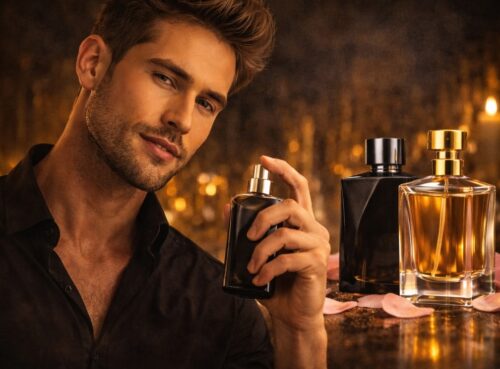
Why Perfume Can Make Someone Seem More Attractive
Part of the answer is direct. Pleasant scent changes the immediate sensory experience. In experiments, faces paired with pleasant odors are often judged as more attractive than faces paired with unpleasant odors. That means fragrance can affect attractiveness not just because the perfume itself smells good, but because scent alters the emotional frame through which a person is perceived.
Part of the answer is behavioral. Fragrance can increase self-esteem and self-confidence, enhancing these qualities and the overall sensory experience. In one study, fragranced male contestants were rated as higher in self-esteem and more attractive. Related reviews also note that perfume wearers may appear more confident and less anxious, even when observers are not directly smelling the fragrance strongly.
That is important because sexual attraction is not just about chemicals floating through the air. It is also about how a person feels while wearing a fragrance. If perfume makes someone stand taller, speak with more ease, or lean into seduction instead of self-consciousness, that alone can affect attraction.
Scent, Memory, and Intimacy
Smell is the most emotionally loaded sense for many people, and that matters a lot in sex and relationship dynamics. Odors are powerful cues for autobiographical memory, and odor-evoked memories are often described as especially vivid, emotional, and involuntary. That is why a certain perfume can instantly pull a person back into an old relationship, a first kiss, or a specific night.
This is where a signature scent becomes powerful. Over time, the brain links that fragrance with a person’s body, voice, touch, and emotional presence. Eventually the perfume is no longer just a fragrance. It becomes part of the relationship itself. That learned connection helps explain why the same scent can feel comforting, erotic, nostalgic, or even painful depending on the history attached to it.
A Partner’s Scent Can Calm the Body
Attraction is not only about arousal. Safety matters too. Research suggests that smelling a romantic partner’s natural body odor can reduce subjective discomfort during stress, and newer work links partner odor to feelings of social safety and support. In real life, that means scent can enhance intimacy not only by turning desire up, but also by helping the body settle down.
That kind of soothing effect matters in sexuality. Anxiety kills mood fast. Feeling secure, comfortable, and emotionally close can make sex feel better and make desire easier to access. Sensory play—such as engaging with a partner’s scent—can further enhance emotional connection and desirability. So when people talk about attraction, they should not only think about raw libido. They should also think about the kind of scent that lowers defenses and makes closeness feel easy.
Which Fragrance Styles Tend to Feel Sexy
No scent note works for everyone, every culture, or every sexual orientation. Because scent preferences are personal and shaped by memory, experience, and skin chemistry. Still, some broad patterns keep emerging in fragrance and attraction conversations. Scent plays a significant role in attraction by influencing emotions, memory, and sexual response, with certain aromas triggering powerful psychological and physiological reactions. For example, woody and spicy notes project depth, strength, and sophistication, enhancing perceptions of confidence and mystery. Floral scents are associated with feelings of love and romantic passion, and jasmine has historically been regarded as a natural aphrodisiac.
Citrus notes project confidence and vitality and are perceived as clean and approachable. Certain fragrance notes are designed to mimic natural attractants such as musk and amber for sensuality and vanilla for warmth. Warm, sweet notes like vanilla evoke feelings of familiarity, comfort, and safety, making them highly attractive. Musk and amber are associated with sensuality and create an intimate, alluring presence, often mimicking human pheromones. Food-related scents, such as pumpkin pie, have also been shown to influence sexual arousal and attraction by stimulating desire and evoking comforting associations. In a study conducted by dating service OkCupid, 81% of members reported that a potential partner’s smell mattered to them, highlighting the significant role scent plays in initial attraction.
The best perfume for sexual attraction is usually not the loudest one. It is the one that suits the body, fits the setting, and leaves a subtle but memorable trail. Special occasions may call for something richer, while close-contact situations often benefit from a softer scent that draws people closer rather than filling the whole room.
Perfume Should Work With the Body, Not Against It
This is where people often get it wrong. They chase a trend instead of how a perfume behaves on their skin. Fragrance mixes with sweat, skin oils, temperature, and body chemistry, all of which interact with various substances—such as pheromones, hormones, and other bioactive chemicals—that influence physiological responses and attraction. That is why the same bottle can smell attractive on one person and flat on another. The most effective seduction scent is usually one that feels believable on the wearer rather than pasted on.
That also means gender rules around perfume are looser than many people assume. Reviews on scent and person knowledge show that fragrance can influence judgments of masculinity, femininity, social competence, and attractiveness, but those effects depend on context and congruence. A scent should feel like an extension of the person wearing it, not a costume.
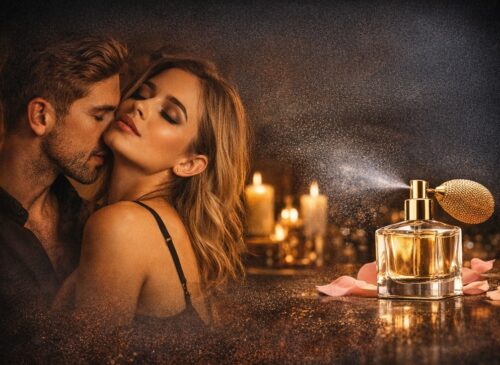
So How Does Perfume Affect Sexual Attraction
Perfume affects sexual attraction by doing several things at once. It can make a person smell good, alter first impressions, change mood, enhance confidence, and build a lasting memory link between fragrance and intimacy. It can also interact with natural body scent rather than replace it, which is why a great fragrance often feels personal instead of generic.
Scent plays a significant role in human attraction and emotional response. Science does not support every fantasy people attach to pheromones, and humans are not just animals following a simple mating script. Still, scent clearly matters. The olfactory system influences emotions, the brain uses smell to shape attraction and memory, and fragrance can make a person feel more attractive in ways that others pick up on almost immediately. High-quality perfumes can also help individuals regulate emotions and increase their attractiveness to partners, particularly for postmenopausal women. That is the real power of perfume. Not a cheap trick. Just a subtle, intimate force that affects desire, attraction, and connection in the human world. And one more reason fragrance remains such a compelling category at Jack and Jill Adult.

I am a creative digital marketer and brand strategist with nearly two decades of hands-on experience helping businesses grow online. Based in Sugarloaf, California, I have worked across everything from rebranding retail stores to boosting e-commerce performance with smart SEO and a strong visual identity. My background is grounded in design, photography, and content marketing to build brands that actually connect with people. I am all about practical strategies, clean design, and ensuring the message matches the mission, on screen and in print.