
Perimenopause And Sex
Perimenopause can reshape how sex feels, how often it happens, and how connected it feels. For many women, this stage begins years before menopause and brings subtle but meaningful changes to the body, mood, and sex life.
Perimenopause and sex are deeply connected through shifting hormone levels. Those hormonal changes can affect sexual desire, arousal, lubrication, comfort, and emotional intimacy. None of this means sex is over. It means sex is changing.
Hormonal changes during perimenopause can influence a woman’s ability to experience pleasure and intimacy, making it important to focus on overall well-being to support sexual health during this stage.
Understanding what is happening makes it easier to adapt, explore, and stay connected.
What Perimenopause Is And Why Sex Changes
Perimenopause is the transitional phase leading up to menopause. It often begins in the late 30s or 40s and can last several years.
During this time, estrogen levels rise and fall unpredictably. Progesterone declines. Hormone levels fluctuate instead of following a steady rhythm.
These hormonal changes affect many systems in the body, including the vagina, vulva, brain, and nervous system. That is why perimenopause affects libido, mood, sleep, and physical comfort all at once.
The most common symptoms include genitourinary issues such as vaginal dryness, pain during sex, and decreased vaginal elasticity, as well as irregular periods, hot flashes, night sweats, mood swings, anxiety, fatigue, and changes in sexual desire. Other symptoms can vary widely and may include irregular periods, libido changes, and emotional or physical discomfort. Genitourinary Syndrome of Menopause (GSM) results from lower estrogen, leading to thinner, drier, and less elastic vaginal tissues. Many women experience several symptoms at the same time.

Sexual Desire During Perimenopause
Sexual desire during perimenopause can be unpredictable. Some women experience a decrease in sex drive.
Others notice no change. A smaller group reports a temporary increase in libido, sometimes called a midlife sex surge.
Up to 90% of women maintain sexual desire during perimenopause, while about one in ten experience significant declines in libido.
For many women, spontaneous desire decreases. That does not mean desire disappears. It often shifts toward responsive desire.
Responsive desire means arousal comes after touch, closeness, or stimulation rather than appearing out of nowhere. This is very common during perimenopause and is completely normal. Many women find that their desire to have sex is much lower during perimenopause due to hormonal fluctuations, and having less sex is normal and acceptable.
Women may experience sex differently during this stage, with changes in desire, arousal, and sexual activity. Stress, mood changes, anxiety, and disrupted sleep also play a role. When energy levels are low and the nervous system is overloaded, sexual interest often follows.
Vaginal Dryness And Discomfort
Vaginal dryness is one of the most common sexual symptoms of perimenopause. Lower estrogen levels reduce natural lubrication and affect blood flow to vaginal tissues.
As estrogen declines, the vaginal walls may become thinner, drier, and less elastic. This can lead to discomfort, burning, or pain during intercourse.
These genitourinary symptoms can make sexual activity less appealing, even when desire is still present. Painful sex is not something women should push through.
Vaginal dryness can also affect the vulva and entrance of the vagina, not just internal tissues. Discomfort may appear even with penetration-free sexual activity.
Arousal And Blood Flow Changes
Hormonal changes during perimenopause affect arousal as well as lubrication. These changes can impact a woman’s ability to become aroused, enjoy sexual activity, and maintain overall sexual function.
Reduced blood flow to genital tissues can slow arousal and make it harder to feel fully engaged. This does not mean pleasure is gone. It often means more time, stimulation, and intentional arousal are needed.
Longer foreplay, external stimulation, and a relaxed pace can make a big difference. Many women find they enjoy sex more when pressure is removed and exploration is encouraged.
Pelvic floor exercises can also help relax tense muscles and enhance sexual sensation during perimenopause.
Mood Swings Emotional Shifts And Sex
Mood swings are a hallmark of perimenopause. Fluctuating hormones affect neurotransmitters tied to mood, anxiety, and emotional regulation.
Emotional changes can impact intimacy as much as physical symptoms. Irritability, anxiety, or feeling disconnected can reduce interest in sex.
Body image changes related to age, weight fluctuations, or physical changes can also affect confidence. Feeling disconnected from your body can make it harder to feel connected during sex.
Self care, emotional support, and open communication matter here as much as physical solutions.
Talking With Your Partner
Open communication with your partner is essential during perimenopause. Many partners do not realize how deeply hormonal changes affect sexuality and mood.
Talking about emotional needs helps maintain closeness. Explaining changes in desire or comfort reduces misunderstanding and pressure.
Exploring non sexual intimacy can help couples stay connected. Cuddling, massage, shared time, and affection all support intimacy.
Some couples benefit from therapy or counseling during this stage. Perimenopause affects relationships, not just individuals.

Treatment Options And Support
There is no single treatment for perimenopause and sex. Support usually works best when physical, emotional, and lifestyle factors are addressed together.
Vaginal Support
Vaginal moisturizers can help maintain moisture and comfort when used regularly. They support vaginal tissues beyond sexual activity.
Lubricants help replace natural lubrication during sex. They reduce friction and discomfort and can make sex feel enjoyable again.
Using a lubricant does not mean something is wrong. It is a tool, not a failure.
Vaginal estrogen may be recommended by a doctor for persistent dryness or pain. It works locally on vaginal tissues and can restore elasticity and comfort.
Hormone Replacement Therapy
Hormone replacement therapy is one treatment option for some women. It may help relieve hot flashes, mood changes, sleep disruption, and vaginal symptoms.
HRT is not right for everyone. A doctor can help assess risks and benefits based on age, symptoms, and health history.
Lifestyle And Self Care
A healthy lifestyle supports sexual health during perimenopause. Regular movement improves blood flow and energy levels. Stress management supports libido and emotional balance. Sleep supports hormone regulation and mood.
Relaxation techniques such as mindfulness, breathing exercises, or gentle yoga can help reduce anxiety and improve arousal. Self-care is not indulgent during perimenopause. It is necessary.
Pleasure Exploration And Sex Store Solutions
Many women find that pleasure changes during perimenopause, not disappears.
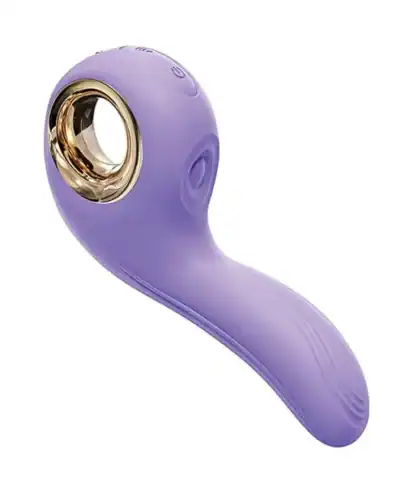
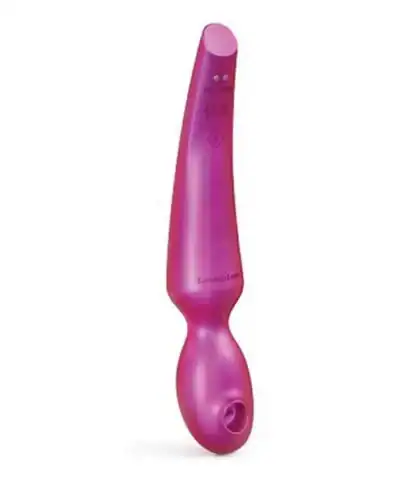
External stimulation often becomes more important. Vibrators can support arousal, increase blood flow, and help the body respond more easily.
Using a vibrator does not replace a partner. It can enhance shared pleasure or support solo exploration.
Non-penetrative sex can be deeply satisfying during perimenopause. Touch, oral sex, mutual stimulation, and sensation play allow pleasure without pressure.
Exploring new forms of intimacy can help couples adapt when desire fluctuates.
Staying Connected To Your Body And Sexuality
Perimenopause can feel like a loss of control at first. But it can also be a time of learning what your body needs now.
Sex during perimenopause may require more intention. That does not make it worse. For many women, it becomes more honest, slower, and more connected.
Listening to your body matters. Pain is a signal, not a requirement. Desire may come differently, but it is still valid.
When To Talk To A Doctor
Consider talking to a doctor if you experience:
- persistent vaginal dryness or pain
- sudden or severe changes in libido
- bleeding after sex
- intense mood changes
- sleep disruption affecting daily life
You deserve support during this stage.
The Bottom Line
Perimenopause and sex are deeply intertwined. Hormonal changes affect desire, arousal, lubrication, mood, and energy levels.
Many women experience less spontaneous desire, more vaginal dryness, and emotional shifts. Others experience little change or even an increased libido.
There is no single normal experience.
With open communication, self-care, and supportive tools—like lubricants, vibrators, and wellness products available at Jack and Jill Adult—many women continue to enjoy sex during perimenopause. Some enjoy it more than ever.
Sex does not end here.
It evolves.

I am a creative digital marketer and brand strategist with nearly two decades of hands-on experience helping businesses grow online. Based in Sugarloaf, California, I have worked across everything from rebranding retail stores to boosting e-commerce performance with smart SEO and a strong visual identity. My background is grounded in design, photography, and content marketing to build brands that actually connect with people. I am all about practical strategies, clean design, and ensuring the message matches the mission, on screen and in print.