
Sex on Antidepressants
Sex on antidepressants can feel confusing as hell. You may still want sex, still love your partner, and still miss your old sex life, but your body suddenly acts like it did not get the memo.
Antidepressants can affect libido, arousal, orgasm, erection, ejaculation, and overall sexual response. Depression can do the same thing before medication ever enters the picture, which makes the whole thing even more frustrating to sort out.
The important part is this: you are not broken. Antidepressant related sexual dysfunction is common, and it is worth talking about with a doctor instead of silently blaming yourself, your partner, or your body.
Do not stop antidepressants suddenly. If your sex life changed after starting fluoxetine, sertraline, paroxetine, citalopram, escitalopram, venlafaxine, duloxetine, or another medication, bring it up with your healthcare provider. The fix may involve time, dose changes, a medication switch, or another treatment option.
Sex on Antidepressants and Sexual Dysfunction
Sexual dysfunction is not one single problem. It can show up as reduced libido, erectile dysfunction, delayed ejaculation, difficulty reaching orgasm, weaker orgasm, lower arousal, genital numbness, or a general loss of sexual interest.
Some people still feel horny but cannot finish. Others can orgasm, but it feels dull or distant. Plenty of people want intimacy emotionally, then feel betrayed when their body does not respond the way it used to.
That disconnect can mess with your head.
SSRIs, or selective serotonin reuptake inhibitors, are often linked to sexual side effects. Common SSRIs include fluoxetine, sertraline, paroxetine, citalopram, escitalopram, and fluvoxamine. These medications are also known by names like Prozac, Zoloft, Paxil, Celexa, and Lexapro.
SNRIs, or serotonin and norepinephrine reuptake inhibitors, may also affect sexual function. Examples include venlafaxine and duloxetine.
For a medical overview, the Mayo Clinic explains antidepressants and sexual side effects in plain language.
Antidepressant Related Sexual Dysfunction Symptoms
Antidepressant related sexual dysfunction may include:
- lower sexual drive
- trouble feeling aroused
- less genital sensation
- erectile dysfunction
- delayed ejaculation
- difficulty reaching orgasm
- weaker orgasm
- reduced pleasure during sex
- less interest in sexual activity
- feeling mentally interested but physically disconnected
Those symptoms can affect men, women, and people of any gender. Nobody gets a free pass from weird serotonin side effects.
A partner may think, “They are not attracted to me anymore.” The person taking the medication may think, “Something is wrong with me.” Neither assumption is automatically true.
Medication can create a gap between desire and response.

Why SSRIs Affect Sexual Response
SSRIs increase serotonin activity. That can help depression and anxiety symptoms, but serotonin can also interfere with sexual response.
For some people, the issue is libido. For others, arousal starts fine, then orgasm becomes nearly impossible. A few people describe the feeling as if their body is present but the pleasure signal is turned down.
That does not mean SSRIs are bad. These medicines help many patients stay alive, stable, functional, and out of a very dark place. Mental health matters.
Sexual health matters too.
SSRIs, Serotonin, and Orgasm
Orgasm problems are one of the most common complaints with sex on antidepressants. A person may need more time, more pressure, stronger stimulation, or a completely different kind of touch than before.
That can feel embarrassing during partnered sex, especially if orgasm used to happen easily.
Try not to turn it into a performance review. The body is adjusting to a drug that affects neurotransmitters. You are not failing sex.
A stronger toy can sometimes help when sensation feels muted. Browse vibrators, clit suckers and oral suction toys, or male masturbators if you need more consistent stimulation than hands can provide.
Sex on Antidepressants and Low Libido
Libido is sexual interest. Antidepressants can lower it, but depression can lower it too.
Poor sleep, stress, pain, alcohol, relationship issues, hormone changes, body image, and age can all affect sexual drive. Medication may be one piece of the puzzle instead of the whole problem.
A useful question is simple: did your libido change before the antidepressant, after starting the antidepressant, or after changing the dose?
That timeline gives your doctor better information.
Lower libido does not mean you stopped loving your partner. Reduced sexual interest does not mean your relationship is doomed. Sometimes the body is dealing with depression, medication, side effects, or plain exhaustion.
Sexual Drive Is Not the Same as Love
Couples often make the mistake of treating libido as proof of attraction. That can make antidepressant related sexual dysfunction even more painful.
A partner may feel rejected. The person on medication may feel pressured, guilty, or defective. Sex starts feeling like a test nobody studied for.
Better language helps.
Try saying, “I still want closeness, but my sexual response is different right now.”
Another option is, “My body is slower on this medication. I need more time and less pressure.”
Those sentences are not magic, but they stop the conversation from turning into blame.

Antidepressants and Erectile Dysfunction
Erectile dysfunction can happen with antidepressants, especially SSRIs and SNRIs. Some people can get an erection but lose it. Others feel aroused mentally, yet their body refuses to cooperate.
That can feel humiliating, but it is a medical side effect, not a character flaw.
A doctor may discuss waiting a few weeks, reducing the dosage, switching medication, or adding another medicine. Reducing the dosage can minimize sexual side effects while maintaining mental health benefits for some people, but it should only happen with medical guidance.
Sildenafil, commonly known as Viagra, is FDA-approved for erectile dysfunction in men. Tadalafil, commonly known as Cialis, may also be discussed. These medicines are not safe for everyone, especially people taking nitrates or dealing with certain heart conditions, so talk to a doctor first.
Cock Rings and Antidepressant Sexual Side Effects
Sex toys do not treat erectile dysfunction, but they can support sexual activity for some people.
A cock ring may help maintain firmness by restricting blood flow out of the penis during arousal. A vibrating cock ring can also add stimulation for both partners.
Use common sense with cock rings. They should not hurt, cause numbness, or stay on too long. If you have circulation problems, nerve problems, or significant ED, ask a healthcare provider before using one.
Antidepressants and Orgasm Problems
Orgasm can become harder to reach on antidepressants. For some people, the finish line moves farther away. For others, it disappears entirely for a while.
That does not mean sex is pointless.
Changing the goal from “must orgasm” to “must feel good” removes pressure. More lube, stronger stimulation, a slower buildup, fantasy, dirty talk, massage, or a toy can help your body stay connected to pleasure.
A wand vibrator may help with broad external stimulation. A bullet vibrator can provide focused pressure. A textured stroker can add consistent sensation. A suction toy may work better for people who dislike direct vibration.
For couples, couples toys can add stimulation without making one partner feel responsible for forcing an orgasm to happen.
Sex Toys for Sex on Antidepressants
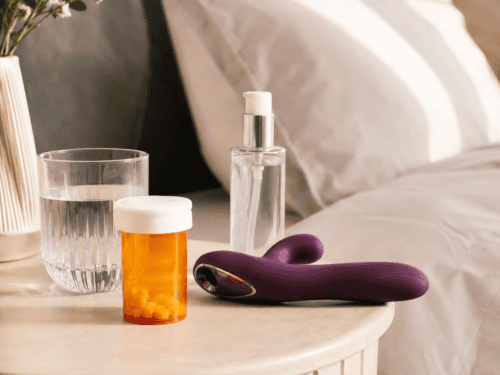
Sex toys can help enhance arousal and orgasm during sexual activity. They are not a medical cure, but they can make pleasure easier to reach when antidepressants make your body slower or less responsive.
Helpful options may include:
- wand vibrators for stronger external stimulation
- bullet vibrators for focused pressure
- suction toys for indirect clitoral stimulation
- strokers for consistent penis stimulation
- vibrating cock rings for partnered sex
- couples vibrators for shared stimulation
- lubricants for comfort and reduced friction
A good lubricant can also make a big difference. Arousal changes may reduce natural lubrication or make sex feel less comfortable, so do not treat lube like a backup plan for old people. Lube is basic equipment.
Can Sexual Dysfunction Continue After Antidepressants?
Most people expect sexual side effects to improve after changing medication, lowering a dose, adding treatment, or stopping the drug under medical supervision. Many do improve.
Persistent sexual dysfunction after SSRIs or SNRIs has also been reported. This is often called post-SSRI sexual dysfunction, or PSSD.
Symptoms may include low libido, erectile dysfunction, genital numbness, weak orgasm, pleasureless orgasm, arousal problems, or emotional blunting after stopping medication.
That does not mean everyone taking SSRIs should panic. Ongoing symptoms deserve to be taken seriously, especially when sexual function does not come back after the medication has changed or ended.
When Sexual Side Effects Persist
Talk to a healthcare provider if sexual side effects continue after stopping or switching antidepressants. Bring dates, medication names, dose changes, and symptom details.
Useful details include:
- when the sexual problems started
- which antidepressant you were taking
- your dose
- whether symptoms changed after switching
- whether libido, arousal, orgasm, erection, ejaculation, or sensation changed
- whether symptoms improved, worsened, or stayed the same
Persistent symptoms are not something to shrug off. Sexual function is part of health.
What to Ask Your Doctor About Sex on Antidepressants
Do not walk into the appointment and minimize the problem. Be direct.
Say something like, “Since starting this antidepressant, my sex life has changed. I am having problems with libido, arousal, orgasm, erection, ejaculation, or sensation. I do not want to stop treating my depression, but I need help with the sexual side effects.”
Ask about:
- whether your dose could be adjusted
- whether waiting a few more weeks makes sense
- whether timing the dose differently could help
- whether switching medication is reasonable
- whether bupropion is an option
- whether mirtazapine is an option
- whether sildenafil or tadalafil could help erectile dysfunction
- whether depression itself may still be affecting sexual function
- whether another health issue could be involved
- what to do if symptoms persist after stopping
Bupropion is often discussed because it is less likely to cause sexual side effects than many SSRIs. Mirtazapine may also be considered in some cases. Neither is automatically right for everyone.
Medication decisions belong with your doctor, not a horny panic spiral at 1 a.m.

Better Sex on Antidepressants With Less Pressure
Sex on antidepressants may require a different approach. That does not make it fake, lesser, or doomed.
Start by lowering the pressure. If orgasm is unreliable, stop making orgasm the only point. If erections are inconsistent, build sex that does not depend entirely on penetration. And if libido is low, create intimacy without demanding instant arousal.
Try longer warm-up, more lube, stronger stimulation, mutual masturbation, massage, oral sex, toys, fantasy, or scheduled private time. None of that is desperate. It is adapting.
Couples can also shift from “What is wrong with us?” to “What works now?”
That question is much less depressing.
Behavioral Adjustments for Sexual Problems
Behavioral adjustments can help mild to moderate sexual side effects.
Try these:
- have sex when your energy is highest
- allow more warm-up time
- use stronger or steadier stimulation
- reduce pressure to orgasm
- add lube before discomfort starts
- talk about what changed without blame
- use toys during solo or partnered sex
- avoid turning sex into a pass/fail test
Some people also find that timing sex before a daily dose helps, but do not change how you take medication without asking your doctor first.

FAQ: Sex on Antidepressants
Can antidepressants cause sexual dysfunction?
Yes. Antidepressants can cause sexual dysfunction, especially SSRIs and SNRIs. Common sexual side effects include reduced libido, arousal problems, erectile dysfunction, delayed ejaculation, weaker orgasm, and difficulty reaching orgasm.
Which antidepressants cause sexual side effects?
SSRIs such as fluoxetine, sertraline, paroxetine, citalopram, escitalopram, and fluvoxamine are commonly associated with sexual side effects. SNRIs such as venlafaxine and duloxetine may also affect sexual function.
Is bupropion better for sexual function?
Bupropion is less likely to cause sexual side effects than many SSRIs and may improve sexual function for some people. Ask your doctor whether it makes sense for your symptoms, depression history, and other medicines.
Can Viagra help sex on antidepressants?
Sildenafil, also known as Viagra, may help erectile dysfunction in men, including ED related to antidepressants. Tadalafil, also known as Cialis, may be another option. Talk to a doctor because these medicines are not safe for everyone.
Can sex toys help with antidepressant side effects?
Sex toys can help enhance arousal and orgasm during sexual activity. Vibrators, suction toys, strokers, cock rings, couples toys, and lubricants may help when antidepressants make sexual response slower or less intense.
Should I stop antidepressants if my sex life changes?
No. Do not stop antidepressants suddenly without medical guidance. Talk to your doctor about dose changes, switching medication, waiting longer, or adding another treatment for sexual side effects.
The Bottom Line on Sex on Antidepressants
Sex on antidepressants can change your libido, arousal, orgasm, erection, ejaculation, and overall sexual response. SSRIs and SNRIs are commonly linked with sexual side effects, but depression itself can also affect sexual function.
You are not broken, and you are not shallow for caring.
Talk to your doctor before making medication changes. Be honest about what changed. Ask about dose, timing, switching medication, bupropion, mirtazapine, sildenafil, tadalafil, or other options that fit your health history.
In the meantime, use what helps. Lube helps. Toys help. Better communication helps. Less pressure helps.
That is why Jack and Jill Adult treats sexual wellness like real life, not fantasy. Sometimes pleasure needs patience, support, a better conversation, or the right tool at the right time.
Your mental health matters. Your sex life matters too.

I am a creative digital marketer and brand strategist with nearly two decades of hands-on experience helping businesses grow online. Based in Sugarloaf, California, I have worked across everything from rebranding retail stores to boosting e-commerce performance with smart SEO and a strong visual identity. My background is grounded in design, photography, and content marketing to build brands that actually connect with people. I am all about practical strategies, clean design, and ensuring the message matches the mission, on screen and in print.