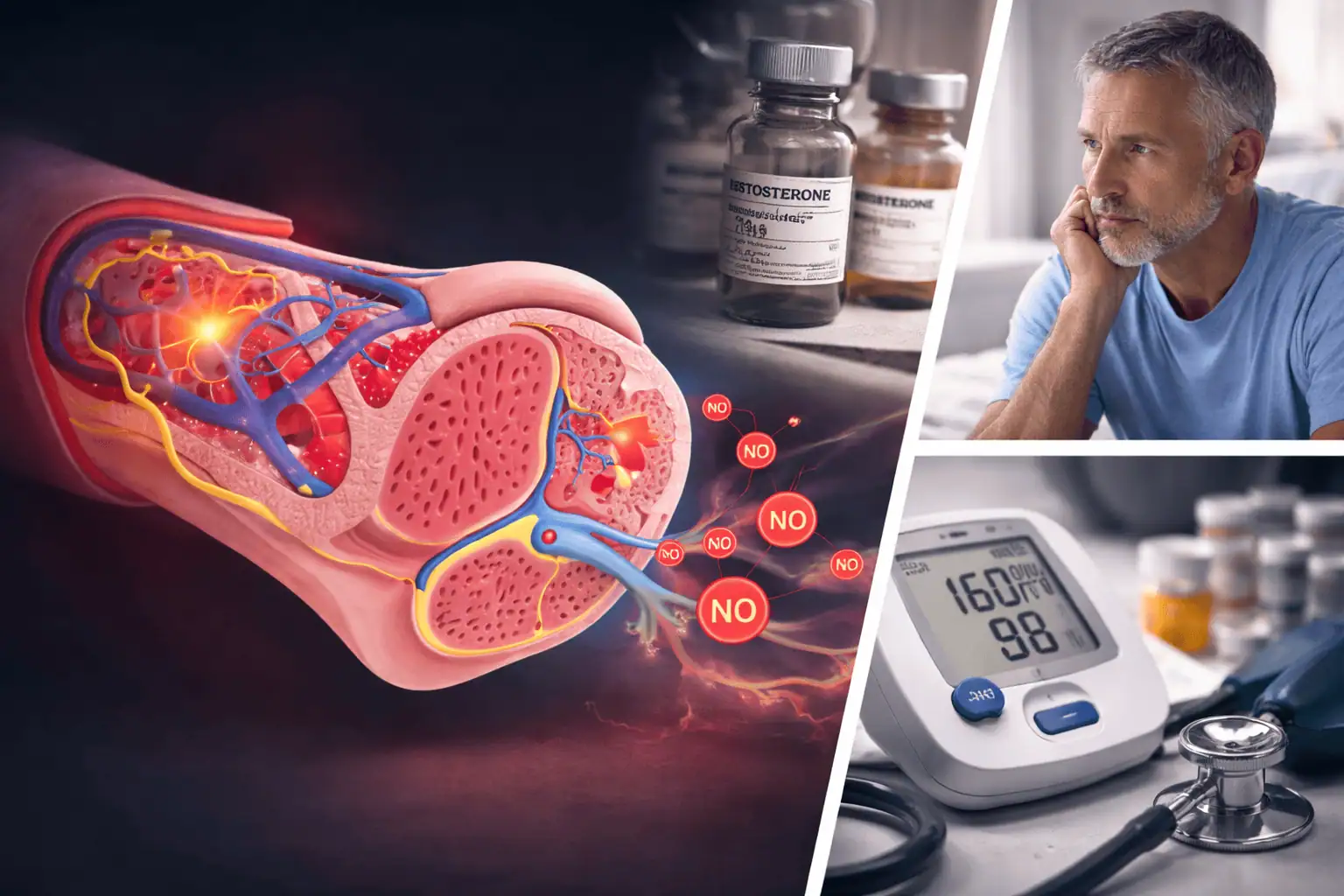
Testosterone And Erection Quality
Testosterone influences erection quality, but it is not the whole story. The quality of a penile erection depends on a complex interplay of hormonal, vascular, and neurological factors. Erectile dysfunction affects men of increasing age, with approximately 10% of men aged 20-30 years and as many as 70% of men older than 70 years being diagnosed with ED.
Erectile dysfunction often starts with blood flow, nerves, stress, or health conditions. Low testosterone can add friction. It can also lower sexual desire, which makes erections harder to access.
What An Erection Needs
A normal erection, and thus normal erectile function, depends on three systems working together.
Blood flow has to increase fast. Nerves have to carry arousal signals. Testosterone supports the function of the cavernous nerves which transmit arousal signals from the brain to the penis. Penile tissue has to relax and hold pressure.
Nitric oxide is a big driver here. It helps the smooth muscle cells in penile tissue relax. That relaxation allows increased blood flow and a stronger erectile response. When any part of that chain breaks, erection problems show up.
Where Testosterone Fits In
Testosterone does not create erections by itself. It supports the systems that make erections possible.
Testosterone influences nitric oxide synthase. Testosterone primarily influences erection quality by maintaining the health of penile tissues and supports blood flow signaling. That matters for nitric oxide production. It also supports receptors in penile tissue.
Over time, low T can affect penile tissue structure. It can shift how tissues respond during sexual arousal. It can also reduce nocturnal penile tumescence. Those are the nighttime and morning erections.
Testosterone also supports sexual behavior and sexual desire. That matters more than many men realize. Low testosterone can contribute to sexual dysfunction, affecting erection quality, libido, and overall sexual health. If desire drops, arousal signals weaken. Erections often follow.

Low Testosterone And Erectile Dysfunction
Low testosterone and erectile dysfunction overlap, but not always. Many men with ED have normal testosterone levels. Many men with low testosterone still get erections sometimes.
In the aging male, there is a natural decline in testosterone levels, which increases the prevalence of hypogonadism and erectile dysfunction in older men. Aging is associated with a gradual decline in testosterone levels, which can contribute to erectile dysfunction.
Low testosterone is more likely when you also have:
- decreased libido
- low morning erections
- low energy
- reduced muscle mass
- mood changes
- increased abdominal fat
Low testosterone may be primary or secondary hypogonadism. Secondary hypogonadism involves brain signaling issues. Either way, symptoms matter as much as numbers.
Total Testosterone vs Free Testosterone
Total testosterone is the headline number. But it is not the full picture. Sex hormone-binding globulin can lock testosterone up. That reduces free testosterone levels. It can also reduce bioavailable testosterone.
Some men sit in the normal range for total testosterone. They still feel deficiency symptoms. Free or bioavailable testosterone helps explain that gap. A healthcare provider may check serum testosterone more than once. Morning labs are common. They may also review the normal range for that lab. Low testosterone is defined as levels below 300 ng/dL for adult males.
Restoring testosterone levels is often a key goal of therapy to improve symptoms and support erectile function, especially in men with low or borderline testosterone.
Why Most ED Is Not Testosterone
Most erectile dysfunction is a blood flow problem. That includes reduced arterial inflow or poor venous trapping.
It can come from chronic diseases and lifestyle factors.
Common risk factors include:
- high blood pressure
- insulin resistance
- diabetes
- obesity
- coronary artery disease
- cardiovascular disease
- smoking
- poor sleep
- chronic stress
Psychological causes also matter. Anxiety and depression can block sexual response. Relationship stress can flatten sexual function. If ED is new, it is worth taking seriously. It can signal cardiovascular risk.
Diagnosis and Evaluation of Erectile Dysfunction
Erectile dysfunction (ED) is a multifaceted condition that requires a careful and thorough evaluation to uncover the root causes. Diagnosis starts with a detailed medical history, where your provider will ask about your erectile function, sexual activity, and any changes in libido or performance. A physical examination follows, checking for signs of underlying health issues that could contribute to ED.
Laboratory tests are a key part of the process. Measuring testosterone levels—both total and free testosterone—can help identify low testosterone as a potential factor. Since hormonal imbalances can also play a role, your provider may check for other hormonal markers to get a complete picture. Serum testosterone is usually measured in the morning, when levels are highest.
To better understand the impact of ED on your life, your provider might use standardized questionnaires, such as the International Index of Erectile Function (IIEF). These tools help assess the severity of erectile dysfunction and track changes over time.
Sometimes, additional tests like blood work or imaging studies are needed to rule out other medical conditions that could be affecting erectile function. If the cause of ED is unclear or if complex hormonal issues are suspected, a referral to a specialist—such as a urologist or endocrinologist—may be recommended. A comprehensive evaluation ensures that treatment targets the real source of the problem, whether it’s low testosterone, other hormonal imbalances, or another underlying health issue.
Testosterone Replacement Therapy And Erection Quality
Testosterone replacement therapy can help some men. It is most useful for men with low testosterone and symptoms. It is not a universal fix for men with ED.
Evidence from testosterone trials and randomized controlled trial studies supports the use of testosterone therapy for improving sexual function in men with confirmed low T. Testosterone therapy can lead to improvements in erectile function scores, as measured by the International Index of Erectile Function (IIEF), with a 2-point increase in IIEF-EF scores representing the minimal clinically important difference for men with mild ED.
Men with low testosterone levels may experience significant improvements in erectile function and sexual desire after testosterone therapy, especially those with severe hypogonadism. The benefits of testosterone therapy are dose-dependent and related to baseline testosterone levels. However, testosterone therapy may not be effective for men with normal testosterone levels, as additional supplementation does not improve erectile function in this group.
Testosterone therapy tends to help libido first. That can improve sexual activity and confidence. Erections may improve after that, but results vary. The biggest improvement is usually in men with severe hypogonadism. Men with normal T often see little change. More testosterone does not guarantee a better normal erection.
Forms Of Testosterone Treatment
Testosterone replacement comes in different forms.
- transdermal gels
- patches
- injections
- pellets
- oral testosterone in specific cases
Your provider decides what fits your situation.
Monitoring matters with hormone replacement therapy.
Combination Therapy For Better Results
Some men need more than one lever. That is where combination therapy comes in.
A provider may pair testosterone therapy with ED meds. This can help men with ED and low testosterone. Especially when ED meds alone are not enough.
Do not self-prescribe. Avoid anabolic steroids for this purpose. They carry real risks and can backfire.
Risks And Safety Topics You Should Know
Supplementation is not harmless. It can change lab values and health risks.
Important topics to discuss:
- cardiovascular risk and existing heart disease
- blood thickness from increased red blood cell production
- prostate monitoring and prostate cancer screening
- fertility impacts
- sleep apnea and sleep quality
If you start therapy, follow the treatment plan. Get labs on schedule. Do not chase “optimal testosterone levels” blindly.
Lifestyle Moves That Often Beat The Needle
Lifestyle changes can improve erectile function. They can also boost endogenous testosterone levels. These changes help many men with ED:
Lose Excess Weight
Losing excess weight can improve erections fast. It also supports T production. Reducing abdominal fat helps hormone balance.
Train Smart
Resistance training supports testosterone influences. It also improves blood flow and confidence. Add walking or cardio for vascular support.
Fix Sleep
Poor sleep quality can lower testosterone. It can also worsen erection quality. Aim for consistent sleep and deeper recovery.
Lower Stress
Chronic stress raises cortisol. Cortisol can suppress testosterone production. Stress also blocks sexual arousal.
Eat For Blood Flow
A diet that supports the heart supports erections. That means fewer ultra-processed foods. More protein, fiber, and healthy fats. These steps also reduce blood pressure and insulin resistance. That improves erectile function over time.
Sex Store have Ways To Support Erection Quality
These are not medical treatments. They are practical supports that help many couples and solos.
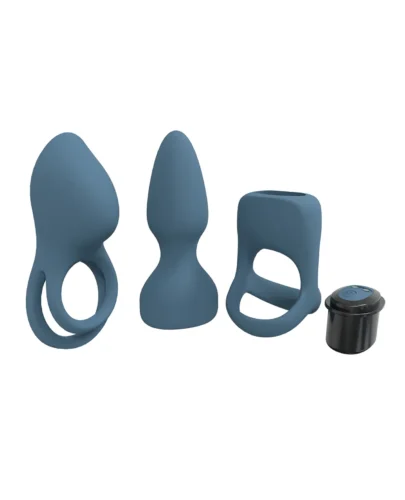
Penis Rings And Comfort Fit Rings
A well-fitted ring can help maintain firmness. It supports blood staying in the penis longer. Start with soft materials and comfort shapes. Use for short sessions. Never use if it causes numbness or pain.
Penis Pumps And Erection Pumps
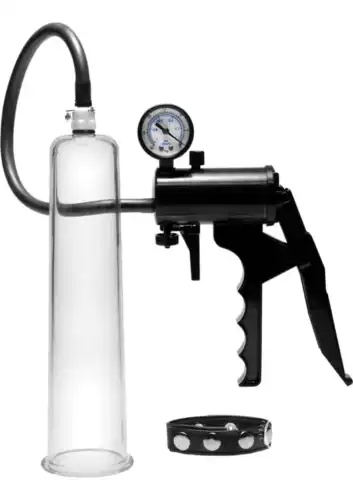
Pumps can support increased blood flow. They can also help boost confidence during arousal. Use the right size and go slow. If you are on blood thinners, ask a provider first.
Lubricants And Sensation Enhancers
Lube improves comfort and reduces friction. That can reduce anxiety and improve response. Some men do better with thicker formulas.
Avoid numbing products unless you know why you want them. They can reduce sensation and complicate arousal.
Vibrators For Couples
This surprises people. Vibrators can help with erections by improving arousal speed. They can also reduce pressure to perform.A small external vibe can be enough. Keep it playful and low stakes.
Cardiovascular Disease and Erectile Dysfunction
Cardiovascular disease (CVD) and erectile dysfunction (ED) are closely linked, often sharing the same risk factors and underlying causes. When blood vessels become narrowed or blocked by atherosclerosis, blood flow to the penis can decrease, making it difficult to achieve or maintain an erection. Conditions like hypertension, high cholesterol, and diabetes further increase the risk of both CVD and ED.
Testosterone levels also play a role in this relationship. Men with low or reduced bioavailable testosterone are more likely to experience both erectile dysfunction and cardiovascular disease. In some cases, T replacement therapy can help improve erectile function in men with low T, but it must be used carefully. Hormone replacement therapy may carry additional cardiovascular risks, so it’s important to work closely with your healthcare provider to weigh the benefits and risks.
Managing ED in men with cardiovascular disease requires a comprehensive approach. Addressing risk factors—such as improving diet, increasing physical activity, and managing stress—can help improve both heart health and erectile function. Medications like PDE-5 inhibitors may be effective for ED, but sometimes a combination of therapies, including testosterone replacement, is needed for the best results.
Ultimately, treating both ED and cardiovascular disease together leads to better outcomes for sexual health and overall quality of life. If you have risk factors for CVD or a history of heart problems, talk to your provider about the safest and most effective ways to improve erectile function and support your long-term health.
When To Get Checked
Get evaluated if you have:
- persistent ED
- sudden changes in erection quality
- pain
- new lower urinary tract symptoms
- major drop in libido
- signs of hormonal imbalances
Ask about total testosterone and free testosterone.
Ask about sex hormone-binding globulin if needed.
Also, ask about heart and metabolic risk factors.
Bottom Line
Testosterone and erection quality are connected. But the relationship is complex. Low testosterone can reduce desire and weaken erectile support systems. Still, blood flow and overall health usually lead the story.
If you want a real improvement in erectile function, stack the basics. Lifestyle, stress, sleep, and health checks come first.
Then add targeted support. That can include sex store tools that you can find at Jack and Jill Adult, which make arousal easier.

I am a creative digital marketer and brand strategist with nearly two decades of hands-on experience helping businesses grow online. Based in Sugarloaf, California, I have worked across everything from rebranding retail stores to boosting e-commerce performance with smart SEO and a strong visual identity. My background is grounded in design, photography, and content marketing to build brands that actually connect with people. I am all about practical strategies, clean design, and ensuring the message matches the mission, on screen and in print.