Why Do I Want Sex but Not Penetration?
You want to kiss. You want to touch, get naked, use your hands, give or receive oral sex, play with toys, and maybe have an orgasm or three. Then penetration enters the conversation, and suddenly your enthusiasm disappears. If you’ve ever wondered, why do I want sex but not penetration?, there may be nothing wrong at all. Sexual desire does not require wanting every possible sexual activity, and penetrative sex is only one way people experience pleasure, intimacy, arousal, and connection.
This is for anyone who wants sexual intimacy but prefers to avoid penetration, whether you’re figuring out your preferences, dealing with discomfort, or looking for other ways to enjoy sex. Some people simply prefer non-penetrative sex. Others temporarily avoid penetration because of pain, stress, pregnancy concerns, body-image anxiety, medical conditions, past experiences, or because another kind of stimulation feels much better.
Because sex is often defined too narrowly, it’s easy to mistake this preference for a problem when it may just be part of how your desire works. Below, we’ll look at why this happens, the kinds of non-penetrative sex people enjoy, the physical and emotional factors that can shape how penetration feels, and how to handle communication, misconceptions, and sexual health without treating penetration as the default.
Penetration Is Not the Definition of Sex
We have inherited a strangely narrow definition of sex.
For many people, “having sex” still automatically means penis-in-vagina intercourse. Everything before that gets called foreplay, as though oral sex, mutual masturbation, massage, grinding, kissing, or toy play are merely preparation for the activity that supposedly counts.
That hierarchy does not reflect how people actually experience sexual pleasure. Planned Parenthood includes kissing, massage, masturbation, sex toys, dry humping, and fantasy-sharing among forms of outercourse, while oral sex is another common sexual activity that does not require vaginal penetration.
Jack and Jill Adult has made the same point in our article on The Orgasm Gap: penetrative intercourse is not the only route to sexual satisfaction, and oral sex, mutual masturbation, and toys deserve to be treated as real sexual activities rather than consolation prizes.
Sex is much bigger than penetration.

You Can Be Horny Without Wanting Something Inside You
Sexual attraction and sexual preference are not the same thing.
You may be strongly attracted to your partner and still have no interest in vaginal or anal penetration. You can want closeness, nudity, kissing, oral sex, orgasm, physical contact, and erotic play without wanting a penis, finger, dildo, or anything else inserted into your body.
That preference may be consistent throughout your life or change depending on the day. Sometimes penetration sounds fantastic. Sometimes oral sex sounds better.
Sometimes you want to grind against someone until you both forget what time it is.
Human sexuality does not need to follow the same menu every night.
Penetration Is Not the Best Route to Orgasm for Everyone
One of the biggest reasons people may not crave penetration is that it simply is not the stimulation their body prefers.
A nationally representative U.S. study of 1,055 women found that only 18.4% said vaginal intercourse alone was sufficient for orgasm. Another 36.6% said clitoral stimulation was necessary during intercourse, while an additional 36% said clitoral stimulation made their orgasms feel better even when it was not strictly required.
Those numbers make the cultural obsession with penetration look a little strange. If external stimulation reliably feels better, it makes perfect sense that someone might prefer oral sex, fingers, a vibrator, rubbing, mutual masturbation, or a combination of those activities.
Your body is allowed to have opinions.
Non-Penetrative Sex Can Be Extremely Sexual
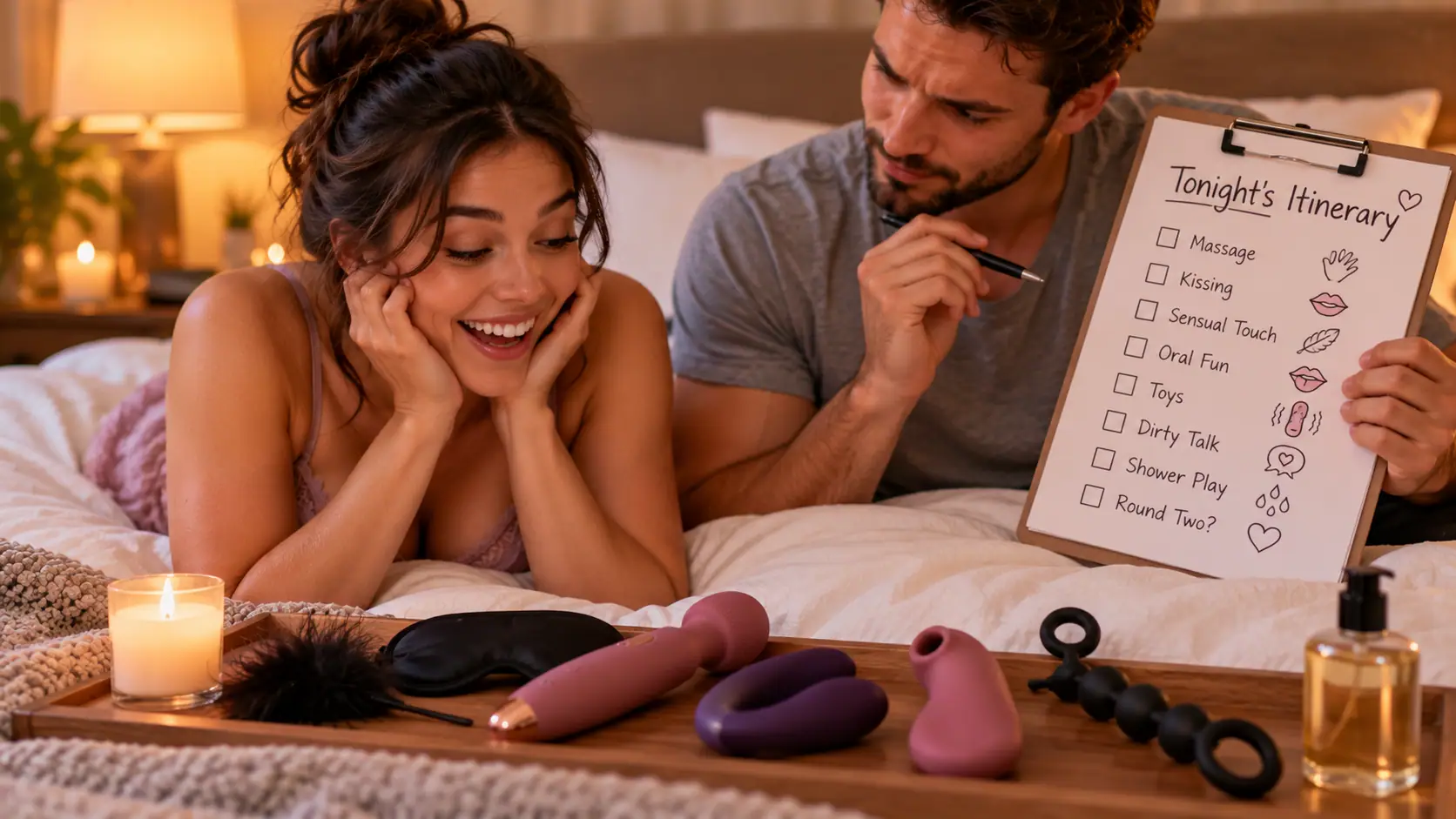
The term non-penetrative sex sounds oddly clinical for something that can be incredibly erotic. It can include deep kissing, oral sex, mutual masturbation, handjobs, external fingering, sensual massage, dry humping, frottage, which involves rubbing one person’s genitals or other body parts against another person’s sexual organ, with or without clothing, role play, nipple stimulation, external vibrator play, erotic touch, or simply rubbing naked bodies together.
Some people use the term outercourse for sexual activities that avoid vaginal intercourse, although definitions vary.
None of those activities need to feel less intimate or less satisfying than penetration.
The difference is simply what your bodies are doing.
Mutual Masturbation Takes Performance Pressure Down a Notch
Mutual masturbation is one of the easiest ways to have partnered sexual pleasure without penetration.
You can engage in mutual masturbation in several ways: touch yourselves while watching each other, stimulate one another with your hands, use toys together, or mix all of those approaches. It also solves one common sexual problem: nobody has to guess what kind of touch works. Your partner gets to watch exactly what you do when you are responsible for your own pleasure.
That can be incredibly useful in long-term relationships because it turns masturbation into something shared rather than something secret or separate. It can also remove some of the performance pressure that comes with intercourse. Nobody has to stay hard. Nobody has to tolerate penetration. Nobody has to orgasm from a particular act. You are simply figuring out what feels good.
Oral Sex Can Be the Main Event
Oral sex is another perfectly legitimate destination. It does not have to be what happens before “real sex.” CDC data show just how common oral sex is: more than 85% of sexually active adults ages 18 to 44 reported having had oral sex with an opposite-sex partner.
Popularity does not determine legitimacy, but it does show that oral sex is hardly some niche alternative.
For people who prefer external stimulation, oral sex may provide exactly the kind of sensation they enjoy without penetration becoming part of the experience. Oral intercourse is a common form of sex without vaginal intercourse, and depending on the act it may also involve oral penetration. It can still transmit sexually transmitted infections, though barrier methods can reduce the risk.
And yes, oral sex still counts as sexual activity.
Sex Toys Can Make Penetration Completely Optional
Sex toys expand the menu even further.
A wand massager, bullet vibrator, suction toy, stroker, vibrating ring, grinding toy, or other external toy can create plenty of stimulation without anything entering the vagina or anus.
You can use toys alone, use them on your partner, let your partner control them, or combine them with kissing, oral sex, massage, or masturbation. Sometimes the best toy for your body is the one that stays completely outside it.
Penetration May Feel Physically Uncomfortable
For some people, the preference is not just about what feels best. Penetration hurts. Pain during intercourse is extremely common. Nearly three out of four women experience pain during intercourse at some point in their lives, although the cause and duration vary considerably. Possible causes include vaginal dryness, pelvic floor tension, endometriosis, ovarian cysts, hormonal changes, infection, scar tissue, problems with arousal, or other gynecological conditions.
If penetration hurts, your body may naturally start avoiding it. That is not a failure of your sex life. Pain is information.

You Do Not Have to Push Through Pain to Have Sex
This deserves to be stated clearly.
Sex should not require enduring pain because penetration is supposedly the point.
ACOG specifically recommends trying sexual activities that do not cause pain, including oral sex and mutual masturbation, when intercourse is uncomfortable. Sensual massage and other forms of touch can also maintain physical intimacy without repeatedly triggering pain.
Our Don’t Touch Me article also looks at how couples can rebuild sexual intimacy without pressure, including massage, lube, toys, and touch that does not automatically have to progress to intercourse.
Taking penetration off the table can sometimes make sex more enjoyable because it helps couples focus on pleasure that does not turn into discomfort.
Pelvic Floor Problems Can Affect Penetration
The pelvic floor is another possible factor.
When pelvic floor muscles become overly tight or difficult to relax, penetration can cause burning, pressure, or pain. Anxiety about pain can then cause more muscle tension, creating a cycle where penetration becomes increasingly difficult or unpleasant. Sexual pain conditions can involve vaginal muscle tightening, burning, pain during attempted penetration, fear of pain, and reduced desire for penetration.
A medical provider or pelvic floor physical therapist can help when pain is frequent or severe. But you do not have to wait for a diagnosis before deciding that non-penetrative pleasure sounds better tonight.
Sometimes You Want More Control
Penetration can feel physically intense. External touch often gives the receiving partner more immediate control over pressure, speed, location, and when stimulation stops. That control can make non-penetrative sex feel more manageable. You can move someone’s hand. Change the vibration setting. Shift your hips. Stop completely.
For some people, that sense of control makes it easier to relax and become aroused. It does not necessarily indicate fear or trauma. Sometimes you simply know exactly what kind of stimulation you want and would rather stay in charge of it.
Penetration Can Feel More Emotionally Exposing
Physical preference is only part of the picture. Penetration can also feel emotionally different from other sexual activities. Someone may happily kiss, masturbate with a partner, have oral sex, or get naked together and still feel more vulnerable when penetration enters the experience.
There is nothing inherently more intimate about vaginal intercourse than every other sexual act, but individual people can attach very different emotional meanings to it. Past relationships, personal beliefs, body image, trust, pregnancy fears, or previous sexual experiences may all influence how penetration feels psychologically.
The important question is not whether you are “supposed” to feel that way. It is whether the activity feels right for you.
Past Experiences Can Shape What Feels Comfortable
Someone who has experienced painful sex, coercion, medical procedures, sexual trauma, or another difficult experience may find certain forms of sexual contact easier than others. That does not mean every person who avoids penetration has trauma. It also does not mean someone with a trauma history will always avoid penetration. Bodies and minds respond differently.
For some people, non-penetrative intimacy offers more predictability and control while still allowing physical connection. If past experiences are creating distress or limiting sexual activities you genuinely want to enjoy, a qualified trauma-informed therapist or medical professional may help.
But therapy is not required simply because you prefer oral sex to intercourse.
Non-Penetrative Sex Can Take Pressure Off Erections Too
Penetration can create performance pressure for the inserting partner, including a male partner, as well. If intercourse is treated as the mandatory destination, an erection suddenly has a job. Stay hard – Stay hard long enough – Be hard at exactly the right time. That pressure can make erectile difficulties worse.
When couples broaden what counts as sex, an erection does not have to determine whether the encounter “worked.” Oral sex, hand stimulation, toys, massage, kissing, mutual masturbation, and other forms of pleasure remain available whether an erection cooperates or not.
That can make sexual interactions feel much more playful. Nobody should have to spend the entire night supervising a penis.
You May Simply Prefer External Stimulation
Sometimes the explanation does not need an entire psychological backstory. You like external stimulation more. That’s it. Research on women’s sexual pleasure repeatedly demonstrates enormous variation in preferred touch, including differences in location, pressure, movement, depth, and whether clitoral stimulation accompanies penetration.
Some people enjoy deep penetration. Others prefer very shallow penetration. Others would rather skip it altogether. Personal preference is enough. You do not need a medical condition to justify liking one sexual act more than another.
Long-Term Couples Can Benefit From Taking Penetration Off the Menu
Sometimes couples fall into a sexual rut because sex has become predictable. Kiss for a few minutes. Take clothes off. Penetration. Orgasm. Done.
Removing penetration for an evening can force both partners to explore sensations they have stopped paying attention to.
What happens if intercourse is not available? You might spend longer kissing. Give each other oral sex. Use toys. Try mutual masturbation. Give a sensual massage. Spend twenty minutes teasing each other instead of racing toward the usual destination.
That does not mean non-penetrative sex is automatically better.
It simply changes the script.
Stop Calling Everything Else Foreplay
The word foreplay can unintentionally reinforce the idea that every sexual act exists to prepare the body for intercourse.
But what if oral sex is the main event? What if mutual masturbation ends in orgasm? What if you spend an hour kissing, touching, using a vibrator, and giving each other pleasure without penetration? Calling that entire experience “foreplay” because a penis never entered a vagina seems a little ridiculous.
Sex does not need a final boss. The activity that satisfies you is allowed to be the destination.

Dry Humping Deserves More Respect
Dry humping somehow acquired a reputation as something people only do before they are “really” having sex.
That is unfortunate. Grinding against a partner can create strong genital stimulation through underwear or clothing, or directly through naked body contact. It can also allow both partners to adjust pressure and rhythm without penetration. Some people can orgasm from grinding alone. Others use it alongside kissing, toys, or manual stimulation.
If it feels good, it counts. Your sex life is not being graded by a committee.
Toys Can Fill the Stimulation Gap
If penetration is not appealing but you want stronger stimulation, toys can help.
External vibrators can target the clitoris or penis. Wands can provide broad stimulation, strokers can create sensation without partnered penetration, and couples toys can add vibration while both partners remain physically involved.
Our article on How Sex Toys Benefit Your Relationship explores how toys can expand sexual options, improve stimulation, and reduce some of the pressure couples place on one particular act. This can be especially useful when one partner loves penetration and the other does not.
The goal does not have to be convincing one person to tolerate something. The goal can be finding other activities both people genuinely enjoy.
What If My Partner Thinks Penetration Is Necessary?
Talk about it outside the bedroom. Honest talking can include whether either of you may want to explore non-penetrative options instead. If someone believes sex is incomplete without intercourse, they may interpret your preference as rejection. Explain what you do want rather than only listing what you do not want. You might say that you love kissing, oral sex, being touched, mutual masturbation, toys, or getting naked together, and ask what sounds exciting to them too, but do not currently enjoy penetration.
That gives your partner something to move toward instead of simply hearing “no.” A healthy sexual relationship leaves room for both partners’ preferences and boundaries. Nobody is entitled to penetrate another person because they are dating, married, horny, or disappointed.
What If I Used to Like Penetration?
Preferences can change. Maybe penetration used to feel great and now it does not. Hormonal changes, childbirth, menopause, medication, pelvic floor changes, surgery, pain conditions, stress, relationship dynamics, or simply changing sexual tastes can all alter what your body enjoys, whether that shift lasts or appears for a short period.
If a sudden change comes with pain, bleeding, burning, or other symptoms, it’s worth discussing with a healthcare professional.
If nothing hurts and you simply prefer something different now, that is also allowed.
Sexuality is not a contract you signed at twenty-five. You can change the menu.
When Should You Talk to a Doctor?
You do not need medical treatment because you prefer non-penetrative sex.
However, if you avoid penetration because it is painful and you would actually like to enjoy it, medical help may be worthwhile.
See an OB-GYN or another healthcare professional when pain during intercourse is frequent or severe. Causes can range from dryness and pelvic floor issues to endometriosis, ovarian cysts, infections, and other conditions.
A healthcare professional can help identify whether treatment, lubricant, pelvic floor therapy, medication changes, hormonal treatment, or another approach might make penetration more comfortable.
Getting help should be about expanding your choices.
It should not be about making you conform to somebody else’s definition of sex.
Wanting Sex Without Penetration Is Still Wanting Sex
So, why do you want sex but not penetration?
Maybe penetration does not provide the stimulation your body prefers. You may enjoy oral sex, mutual masturbation, toys, kissing, dry humping, massage, or other forms of physical intimacy much more. Maybe penetration hurts, creates performance pressure, feels emotionally exposing, raises pregnancy anxiety, or simply does not sound fun, and some people also prefer sex as a way to make a partner feel good, not because penetration offers any benefit to them.
Any of those reasons can be valid. And sometimes there is no deeper reason at all.
You want what you want.
A satisfying sex life is not defined by how often something enters a vagina or anus. It is defined by whether the people involved feel safe, respected, connected, and genuinely pleased with what they are doing, whether it feels good for everyone, and whether nothing is being pushed for one partner’s own benefit.
If both partners finish thinking, “That was fantastic,” nobody needs to check whether penetration occurred before declaring the evening a success.
And if your ideal non-penetrative night involves a little extra stimulation, Jack and Jill Adult has vibrators, couples toys, strokers, lubricants, massage products, and other pleasure products that can help you build a sex life around what actually feels good instead of what you think sex is supposed to look like.

I am a creative digital marketer and brand strategist with nearly two decades of hands-on experience helping businesses grow online. Based in Sugarloaf, California, I have worked across everything from rebranding retail stores to boosting e-commerce performance with smart SEO and a strong visual identity. My background is grounded in design, photography, and content marketing to build brands that actually connect with people. I am all about practical strategies, clean design, and ensuring the message matches the mission, on screen and in print.