
Sexual Insecurities People Hide
Sexual insecurities are far more common than most people realize. Many individuals carry private worries about their bodies, their performance, or their sexual experience, yet rarely speak about them openly. These insecurities often remain hidden beneath the surface of otherwise healthy relationships.
Sexual intimacy involves vulnerability. When people feel insecure about their bodies or sexual abilities, they may withdraw emotionally or physically without fully understanding why. Over time, these hidden concerns can quietly shape a couple’s sex life and emotional connection.
Understanding the sexual insecurities people hide can help partners recognize these patterns and build stronger communication and intimacy.
Introduction to Sexual Insecurities
Sexual insecurities can quietly shape our most intimate experiences, often beginning at a young age. For many American women, body image concerns are a big one, and they start early, influenced by subtle messages about physical looks, criticism, or comparisons to others. These early experiences can plant seeds of self-doubt that grow into poor body image and a sense of being self-conscious in one’s own skin. Over time, these insecurities can lead to reduced sexual satisfaction, making it difficult to fully enjoy or express oneself during sex.
The impact of insecurities is far-reaching. When someone feels uncomfortable in their own skin, it can create barriers to intimacy and erode sexual confidence. This is especially true for those who internalize negative messages, leading to a cycle of shame and avoidance. Recognizing the reasons behind sexual insecurity is the first step toward breaking this cycle. By understanding how these insecurities develop and affect our sex life, individuals can begin to build a healthier, more positive relationship with themselves and their partners.
Developing sexual confidence and a positive sexual image isn’t just about changing how we look—it’s about changing how we feel. With awareness and support, it’s possible to move beyond self-doubt and create a more satisfying, connected sex life.
Body Image Insecurity
Body image is one of the most common sexual insecurities people hide. Research consistently shows that many American women find fault with their bodies, often beginning at a young age. Societal standards, childhood influences, and critical comments from others are common reasons for poor body image. The pressure to look like a fashion model or meet unrealistic beauty ideals widens the gap between what people think they should look like and what they actually do. As a result, many women are unhappy with their bodies due to these pressures.
This gap becomes a fertile ground for self-doubt and shame. Poor body image can lead to self-conscious behavior during sex, including avoiding certain positions, keeping the lights off, or avoiding physical closeness altogether. Body image concerns often involve feelings of being too heavy or too thin, which can lead to keeping the lights off during sex.
Studies show that shame about one’s body leads to reduced sexual satisfaction and less willingness to initiate sex. When someone feels insecure in their own skin, they may spend time worrying about perceived flaws instead of enjoying intimacy.
Interestingly, research has also found that women who develop their own beauty ideals rather than chasing unrealistic standards often report better body positivity and higher sexual confidence. Exercising for fun, adventure, or strength rather than simply to lose weight also improves physical self-esteem.
In cultures where beauty standards are less rigid, women often maintain a healthier relationship with their bodies. French women, for example, are widely reported to remain sexually active later in life than American women, especially after age fifty. A healthier body image contributes to continued sexual desire and comfort with intimacy.

The Role of Weight in Sexual Health
Weight and body image are deeply intertwined with sexual health, especially in a culture that idolizes a narrow beauty ideal. Many women feel pressured to look like the stereotypical skinny, blue-eyed blond woman in her early twenties, with European features and a fashion model’s physique. This unattainable standard can fuel self-doubt and undermine sexual confidence, leaving women feeling like they never quite measure up.
The constant exposure to images of celebrities and models can make even those at a normal weight feel inadequate. As a result, some women turn to extreme measures—dieting, diet drugs, or even plastic surgery—in an attempt to control weight and fit the prevailing beauty ideal. Unfortunately, these efforts often do little to improve physical self-esteem or self-confidence, and can even lead to greater dissatisfaction with one’s body.
Instead of chasing an unrealistic standard, women can benefit from focusing on building physical self-esteem by making their bodies strong, healthy, and capable. Emphasizing what the body can do, rather than how it looks, helps foster a more positive body image and supports overall sexual health. When women feel empowered in their own bodies, sexual confidence grows, and the pressure to conform to someone else’s beauty ideal begins to lose its hold.
Performance Anxiety
Another major sexual insecurity involves performance anxiety. Many people worry about their ability to perform sexually or satisfy their partner. For men, these fears often involve erectile dysfunction, premature ejaculation, or difficulty reaching orgasm.
Men also frequently experience anxiety related to penis size. Men are by far most anxious about penis size, with searches about it outnumbering searches for heart and brain combined. Online searches about penis size dramatically outnumber searches about major health topics like the heart or brain. This statistic highlights how deeply size anxiety affects male sexual confidence.
When she’s concerned about meeting expectations or achieving orgasm, it can create additional pressure for women. Some feel pressure to achieve orgasm quickly, respond a certain way, or perform according to expectations shaped by media and pornography.
When performance anxiety takes over, the focus shifts away from pleasure and connection. Instead of enjoying the experience, individuals begin monitoring themselves, which can interfere with sexual arousal and satisfaction.
Fear of Judgment and Hidden Desires
Fear of judgment can also create sexual insecurity. Many people hesitate to share their true sexual desires or fantasies because they worry their partner will react negatively.
When individuals feel ashamed of their sexual self, they may hide important aspects of their sexuality. This concealment creates a psychological burden that affects both mental health and relationship quality. In these moments, insecurities can feel like an unwelcome person in the room—an intrusive presence that disrupts intimacy and makes it difficult to feel comfortable or confident. A handy psychological trick, such as projection, can help individuals manage issues by recognizing and redirecting negative feelings, making it easier to cope with insecurities.
Hiding sexual interests or boundaries can prevent honest communication. Insecurity-driven silence inhibits effective communication about needs or boundaries, causing misunderstandings. Over time, this silence can lead to misunderstandings and emotional distance between partners. Concealed shame can lead to emotional distancing between partners. Shame can also prevent someone from sharing their innermost essence with their partner, limiting the depth of connection and vulnerability in the relationship.

Inexperience, Self-Doubt, and Fear of Embarrassment
Another hidden insecurity involves sexual inexperience. Some people feel embarrassed if they believe they lack sexual experience compared to others. This fear can prevent them from asking questions or expressing uncertainty.
Inexperience is completely normal, yet many individuals feel pressure to appear knowledgeable. This pressure can create anxiety and inhibit open discussion about sexual needs or boundaries.
Past trauma can also influence how comfortable someone feels discussing or engaging in sex. When trauma or negative experiences are involved, professional support may help individuals rebuild confidence and trust.
Concealing sexual insecurities can take a significant emotional toll. Maintaining a facade requires constant mental effort, which can lead to cognitive and emotional exhaustion. Research suggests that identity concealment is associated with increased anxiety, depression, and loneliness. When partners feel unable to reveal their insecurities, they may gradually withdraw from intimacy. In some relationships, this withdrawal leads to what therapists sometimes call “roommate syndrome.” Partners continue sharing a household but experience little physical or emotional intimacy.
Avoidance of sexual intimacy can eventually contribute to sexless relationships. Anxiety about sexless marriages is so common that thousands of people search online for terms like “sexless marriage” or “unhappy relationship.”
Creating a Positive Relationship
Building a positive relationship with one’s body and sexual self is a powerful way to overcome sexual insecurities. Rather than striving to meet society’s ever-changing beauty ideal, focusing on your own beauty ideal can lead to greater self-acceptance and sexual confidence. European women, for example, often have a better body image and a completely different relationship with their bodies. They are more likely to embrace their natural shape, including a few hanging parts, and prioritize well-being over appearance.
This approach encourages people to listen to their own feelings and desires, rather than trying to meet someone else’s expectations. By valuing their sexual self and nurturing a supportive partnership, individuals can experience a more fulfilling and satisfying sex life. Creating a positive sexual relationship with yourself means celebrating what makes you unique and letting go of the pressure to look or act a certain way.
When you focus on your own beauty ideal and develop a completely different relationship with your body—one based on acceptance and self-care—you open the door to better body image, increased sexual confidence, and deeper intimacy with your partner.
Seeking Help and Support
Overcoming sexual insecurities is not something anyone has to do alone. Seeking help and support can make a significant difference in developing a healthier body image and greater sexual confidence. Professional resources, such as those offered by the Cincinnati Psychotherapy Institute, provide specialized programs and therapies designed to address body image concerns and sexual insecurities.
In addition to professional help, online communities and support groups offer a safe space to share experiences and connect with others facing similar challenges. These supportive environments can help individuals feel less isolated and more empowered to work through their insecurities.
Taking the step to seek help is an act of self-care and courage. With the right support, it’s possible to build a more positive relationship with your body and enjoy a more satisfying sex life.
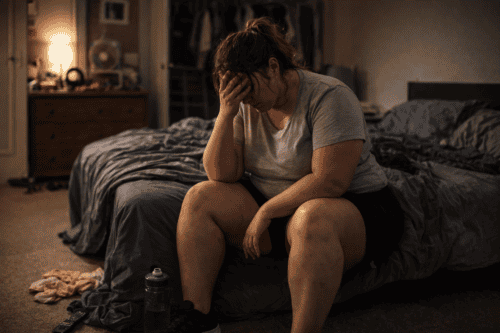
Developing Healthy Habits
Cultivating healthy habits is essential for maintaining lasting sexual confidence. Rather than following restrictive diets or striving to lose weight to fit a certain mold, people can focus on nourishing their bodies and developing physical self-esteem. This means choosing foods and activities that make you feel strong, energized, and comfortable in your own skin.
Self-care and self-compassion are also key. Taking time to enjoy your own company, indulge your senses, and treat yourself with kindness can help reinforce a positive relationship with your body. By prioritizing self-esteem and physical self-esteem over external standards, we can break free from the cycle of self-doubt and insecurity. Developing healthy habits is not just about appearance—it’s about feeling good in your own skin and embracing your sexual self at your own pace.
Breaking the Cycle and Building Sexual Confidence
The encouraging reality is that sexual insecurities do not have to control a relationship. Many cultures embrace their natural aging process more gracefully and confidently, challenging the idea that youth is the only standard of beauty. Many of these concerns improve when partners communicate openly and create a safe environment for vulnerability. Talking honestly about insecurities allows partners to reassure one another and build trust. When partners feel accepted, shame often loses its power.
Sometimes exploring intimacy in a supportive environment—like a trusted sex store—can also help people feel more comfortable discussing pleasure and curiosity. Visiting an adult store like Jack and Jill Adult or browsing resources at JackandJillAdult.com can introduce couples to new ideas that encourage communication and exploration.
Sexual confidence does not come from perfection. It grows from feeling accepted, respected, and desired exactly as you are.

I am a creative digital marketer and brand strategist with nearly two decades of hands-on experience helping businesses grow online. Based in Sugarloaf, California, I have worked across everything from rebranding retail stores to boosting e-commerce performance with smart SEO and a strong visual identity. My background is grounded in design, photography, and content marketing to build brands that actually connect with people. I am all about practical strategies, clean design, and ensuring the message matches the mission, on screen and in print.